
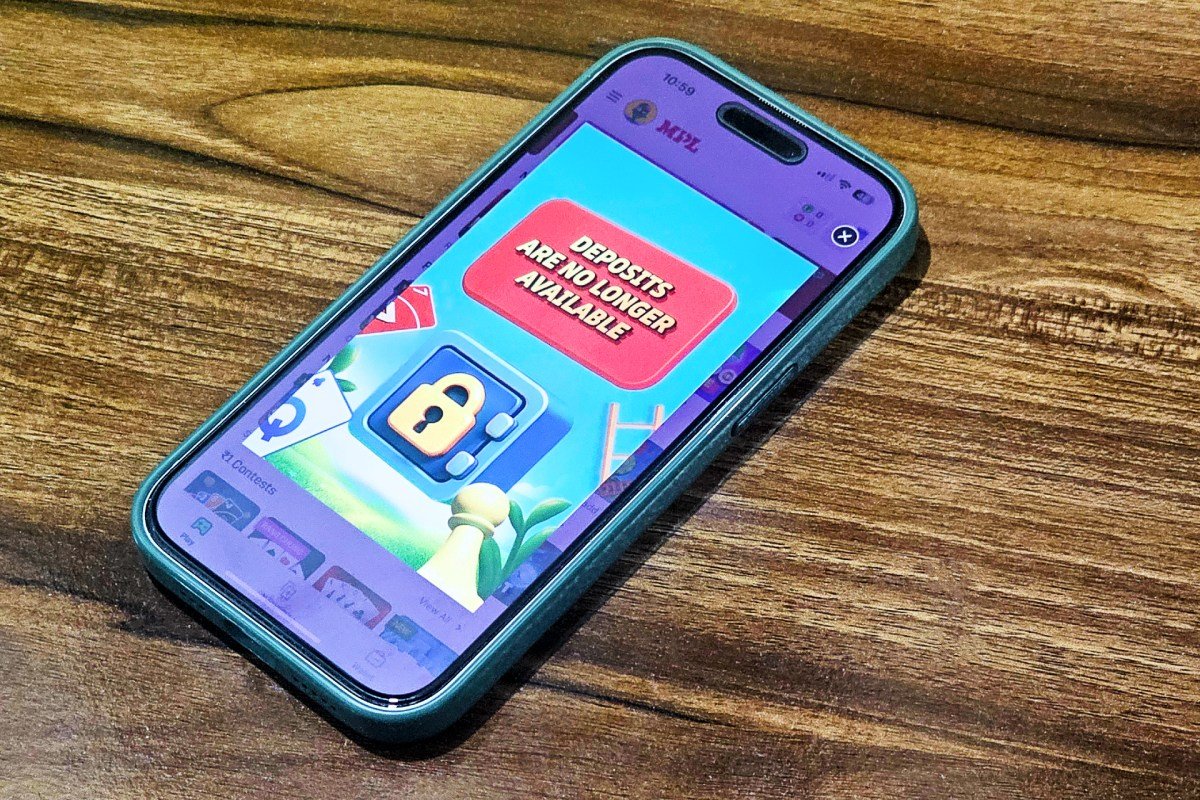
India’s real-money gaming sector is facing an existential crisis. Following the passage of the Promotion and Regulation of Online Gaming Bill, 2025 by both houses of the Indian Parliament, major industry players—including Dream Sports, MPL, and Zupee—have begun immediate shutdowns of their real-money platforms.
The End of Real-Money Gaming in India
The legislation, which is now awaiting only a final presidential signature to become law, marks a definitive shift in the country’s digital economy. The bill seeks to prohibit real-money transactions in gaming while shifting the regulatory focus toward casual online games and esports.
The impact was instantaneous. As soon as the bill cleared the lower house, startups began notifying users and employees that their core revenue-generating operations were ceasing. The industry, previously valued at approximately $23 billion, is now scrambling to pivot or dissolve its current business models.

Industry Giants Pull the Plug
The market reaction has been swift and widespread among the sector’s most prominent unicorns:
- Dream Sports: The company has shuttered its “Dream Picks” app. Sources confirm that while flagship apps like Dream11 remain temporarily active, the firm plans a total shutdown of real-money operations once the law is enacted.
- MPL (Mobile Premier League): Backed by major investors like Peak XV, the platform has officially suspended all real-money games and ceased accepting new deposits.
- Zupee: The startup has halted paid games, transitioning exclusively to free-to-play titles such as Ludo Supreme and Snakes & Ladders.
- Probo and Gameskraft: Both firms have confirmed the immediate discontinuation of their real-money gaming operations in compliance with the new mandate.
Economic Fallout and Job Security
The sudden legislative shift threatens an industry that contributes roughly $2.29 billion annually in direct and indirect taxes. Beyond the corporate impact, the human cost is mounting. Employees across these firms report widespread job insecurity, with many already seeking new employment as companies prepare for significant workforce reductions to sustain their remaining business units.
Despite the massive financial implications, most startups have opted not to challenge the legislation in the Supreme Court, acknowledging the difficulty of overturning such a decisive parliamentary mandate.
This Bill, passed by both Houses of Parliament, highlights our commitment towards making India a hub for gaming, innovation and creativity. It will encourage e-sports and online social games. At the same time, it will save our society from the harmful effects of online money… https://t.co/t1iUuH9JP1
— Narendra Modi (@narendramodi) August 21, 2025
Government Stance on the Future of Gaming
Prime Minister Narendra Modi has publicly defended the bill, stating that the legislation is designed to position India as a global hub for innovation and creativity in gaming. The government maintains that the move is essential to protect society from the financial risks associated with real-money betting, prioritizing the growth of esports and social gaming instead.