
The Indian government has co-led a $32 million Series A funding round for QpiAI, a Bengaluru-based startup specializing in the integration of AI and quantum computing. This investment, which brings the company’s post-money valuation to $162 million, signals a strategic effort to position India as a dominant force in the global quantum landscape.
Driving National Quantum Ambitions
The funding is a core component of India’s $750 million National Quantum Mission, launched in 2023. The initiative treats quantum computing as a critical pillar for both economic growth and national security. The program aims to develop intermediate-scale quantum computers—ranging from 50 to 1,000 physical qubits—within the next eight years, covering platforms from photonics to superconducting technologies.
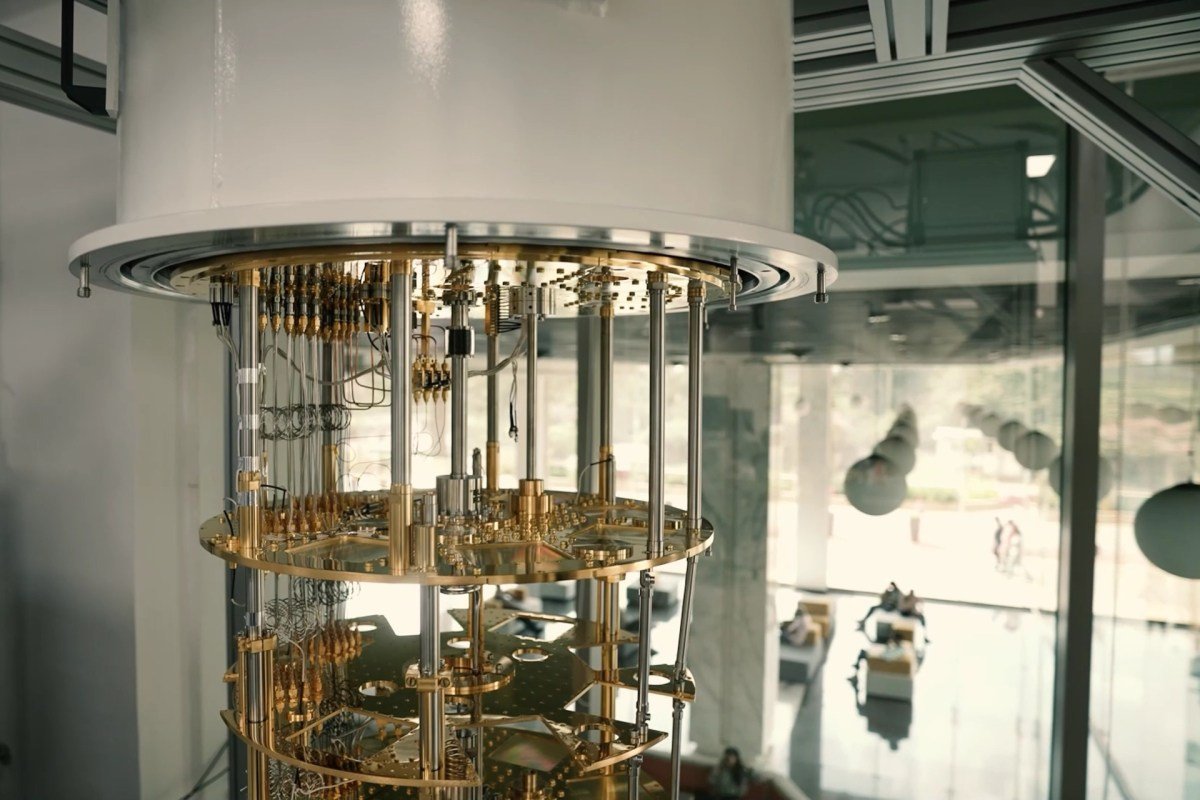
QpiAI, one of eight startups selected for the mission, has already made waves with its QpiAI-Indus system. Launched in April, this full-stack computer features 25 superconducting qubits, marking a significant milestone for indigenous hardware development.
AI-Quantum Synergy for Enterprise
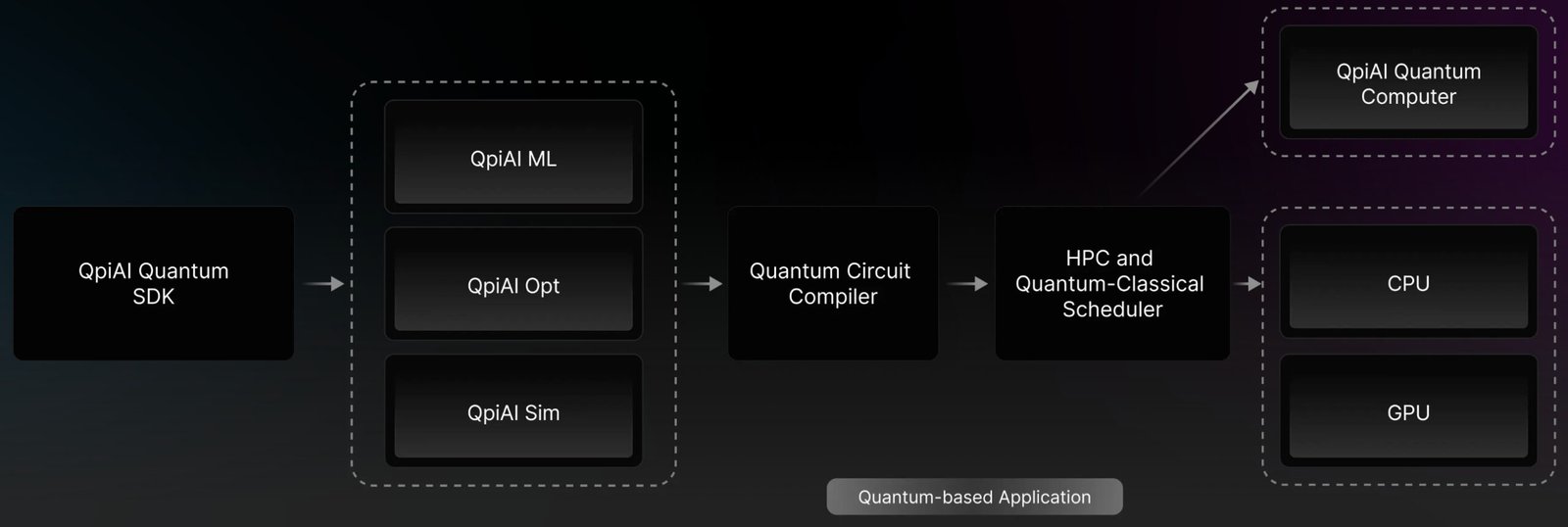
Founded in 2019, QpiAI differentiates itself by bridging the gap between quantum processing and industrial AI. CEO Nagendra Nagaraja emphasizes that AI is essential for making quantum hardware robust, particularly in optimizing chip design and scaling to thousands of physical qubits required for error correction.
The company’s proprietary software and hardware stack focus on high-impact sectors, including:
- Materials science and drug discovery
- Manufacturing and industrial optimization
- Transportation and logistics
- Financial modeling
Scaling Production and Global Reach
With the new capital, QpiAI is accelerating its roadmap. The startup plans to debut a 64-qubit system in November, with commercial availability slated for mid-2025. Furthermore, the company is transitioning toward local manufacturing, aiming to move beyond its current 80% in-house assembly rate by 2026.
The firm maintains a strong financial position, reporting profitability at the EBITDA level for the past three years, with gross margins near 60%. Looking ahead, QpiAI is eyeing expansion into Singapore and the Middle East, while keeping an eye on a potential IPO between 2026 and 2027.
Broadening the Ecosystem
The National Quantum Mission is casting a wide net to build a self-sustaining ecosystem. Beyond QpiAI, the government is backing ventures such as:
- QNu Labs: Focused on quantum-safe networking.
- Dimira Technologies: Specializing in cryogenic cabling.
- PrenishQ and Quanastra: Developing laser systems and cryogenic detectors.
- QuPrayog and Quan2D: Advancing atomic clocks and single-photon detection.
Ajai Chowdhry, chairman of the National Quantum Mission, confirmed that the government intends to remain a long-term partner for these home-grown companies, ensuring that Indian innovation remains at the forefront of the international quantum race.