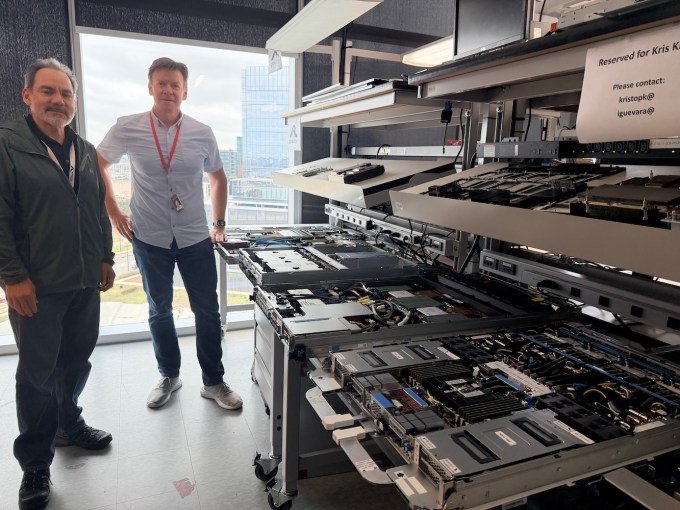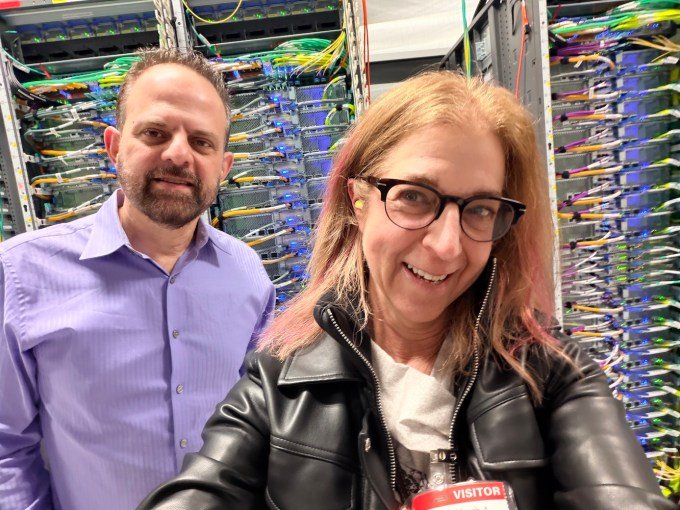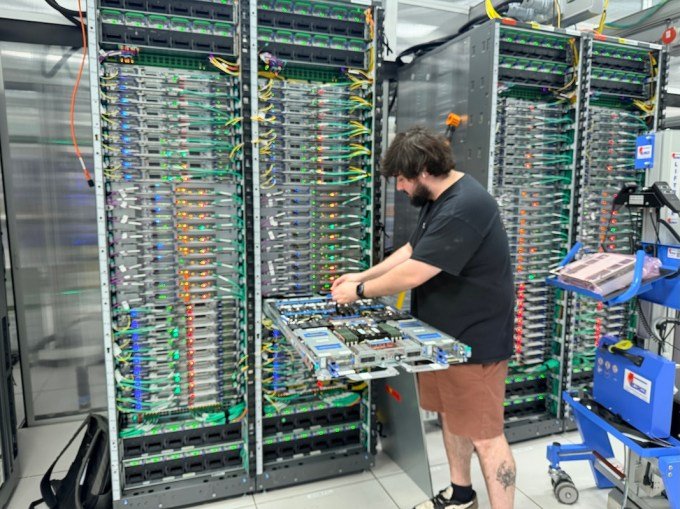
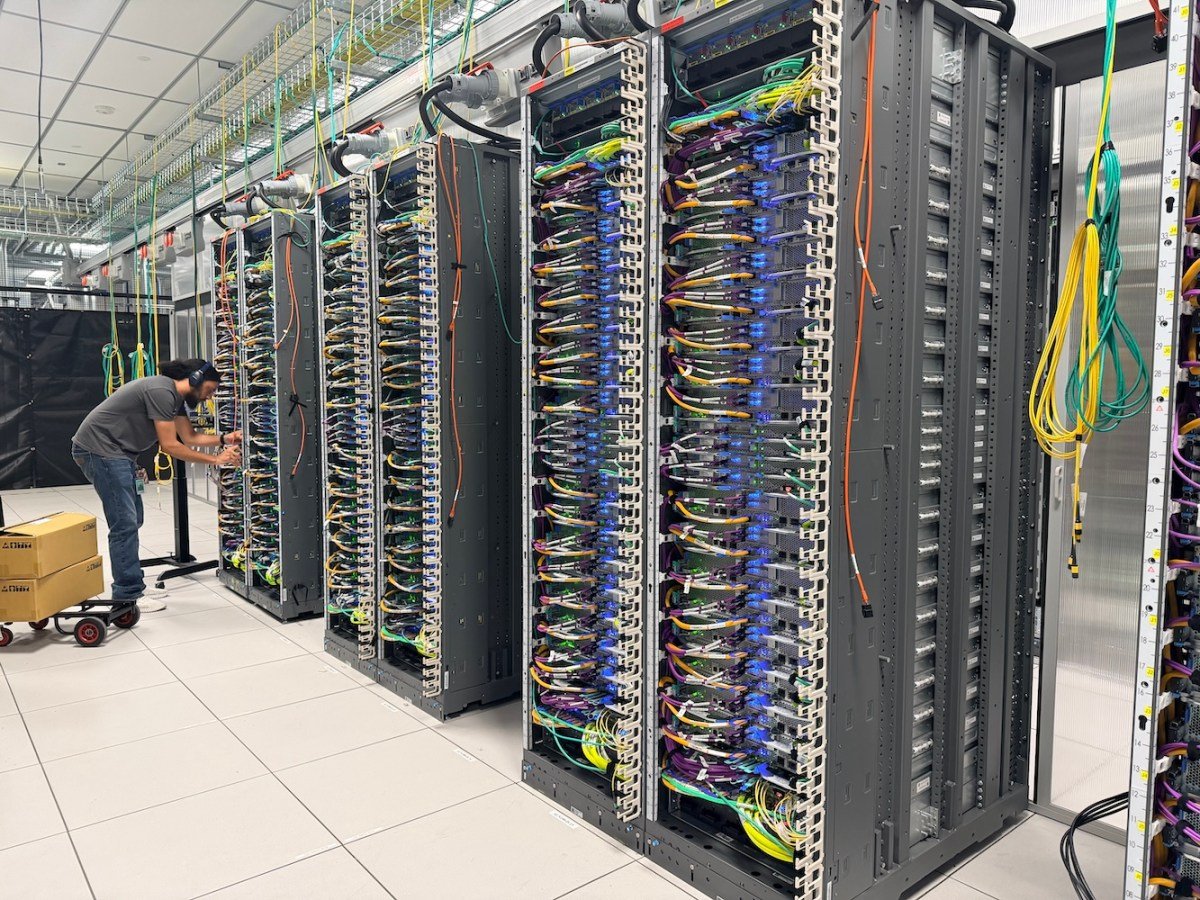
Following a massive $50 billion investment deal with OpenAI, Amazon opened its doors for an exclusive look at the Austin-based laboratory where its proprietary Trainium AI chips are engineered. This facility is the engine room of Amazon’s strategy to commoditize AI infrastructure and directly challenge Nvidia’s dominance in the global chip market.
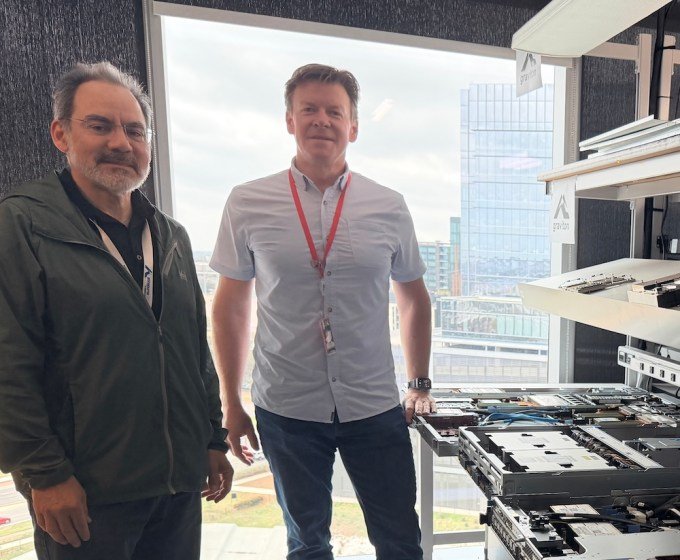
The Power Behind the OpenAI and Anthropic Deals
Amazon has emerged as a critical cloud partner for the AI industry. Beyond its longstanding support for Anthropic, the recent deal with OpenAI designates AWS as the exclusive provider for “Frontier,” OpenAI’s new AI agent builder. To support this, Amazon has committed to supplying 2 gigawatts of Trainium computing capacity.
The scale of deployment is significant: Amazon currently has 1.4 million Trainium chips in service. Notably, Anthropic’s Claude models run on over 1 million of these units, specifically the Trainium2 generation. While initially designed for training, the chips are now optimized for inference—the process of running models to generate responses—which remains the industry’s primary performance bottleneck.
Challenging the GPU Monopoly
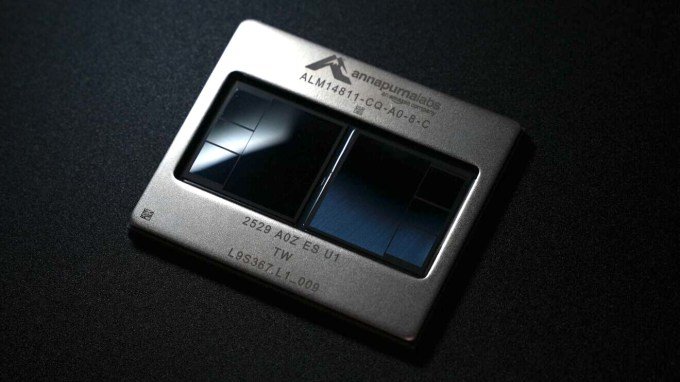
Amazon’s hardware strategy centers on cost efficiency. By utilizing Trn3 UltraServers, the company claims to reduce operational costs by up to 50% compared to traditional cloud servers. A key component of this efficiency is the new “Neuron” switch, which enables a mesh configuration where every Trainium3 chip connects directly to others, drastically reducing latency.
To lower the barrier to entry, Amazon has ensured that Trainium supports PyTorch. Developers can migrate models to the platform with minimal code changes, a deliberate move to erode the “switching costs” that have historically locked developers into the Nvidia ecosystem.
The “Bring-Up”: Engineering Under Pressure
The lab in Austin, rooted in the 2015 acquisition of Annapurna Labs, is where the “bring-up” occurs—the high-stakes process of activating a new chip design for the first time. This phase often involves around-the-clock work and rapid problem-solving, such as manually grinding metal components when physical tolerances don’t align during initial testing.
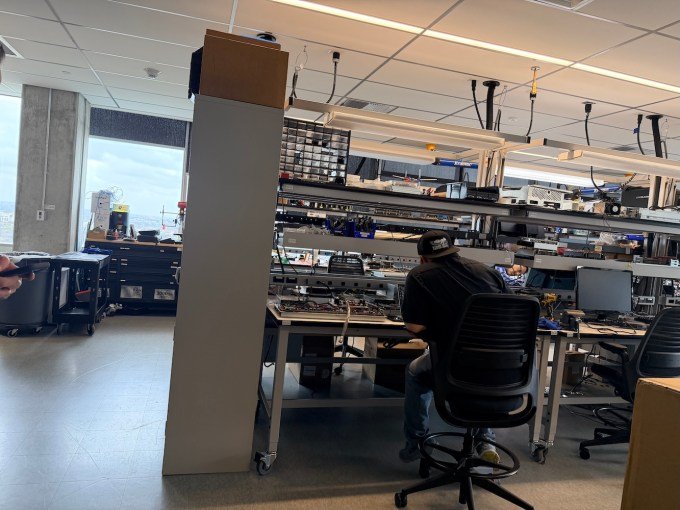
The facility functions as a hybrid of a sophisticated industrial testing site and a collaborative engineering workspace. Engineers perform micro-welding on integrated circuits and utilize advanced diagnostic tools to ensure every component meets performance standards before moving to mass production with partners like TSMC.
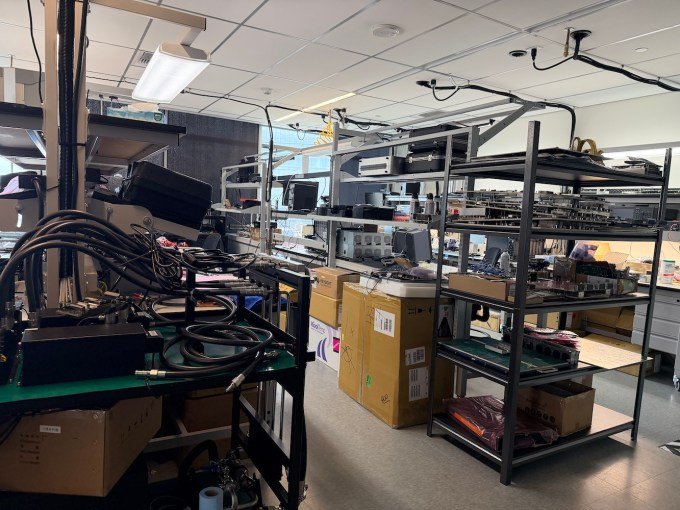
The Architecture of Performance
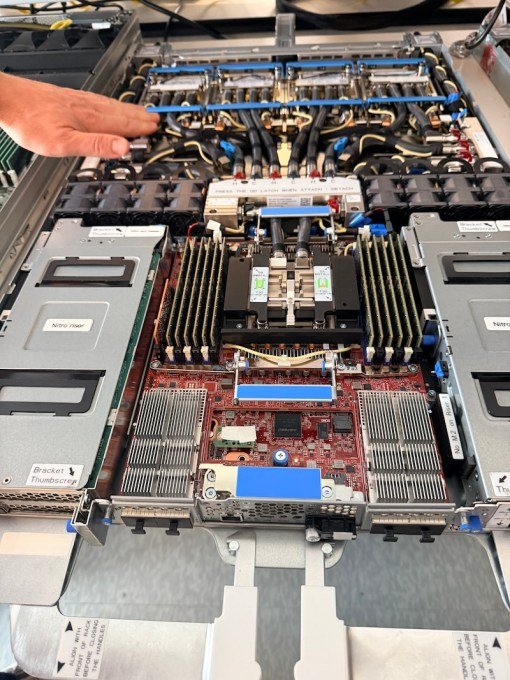
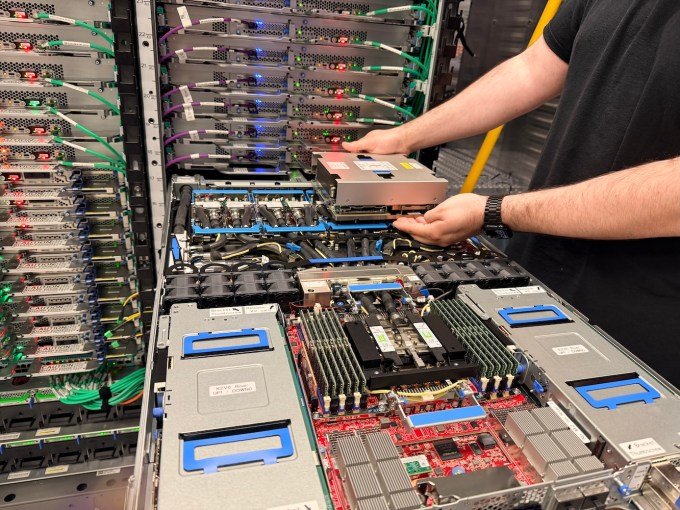
The “sleds”—trays housing Trainium chips, Graviton CPUs, and supporting hardware—are the core of Amazon’s server design. These sleds, combined with liquid cooling and the “Nitro” virtualization system, allow AWS to maintain tight control over both cost and performance.
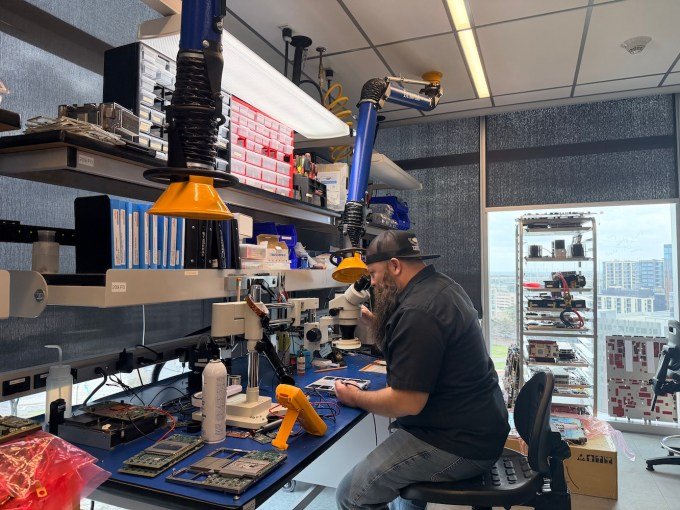
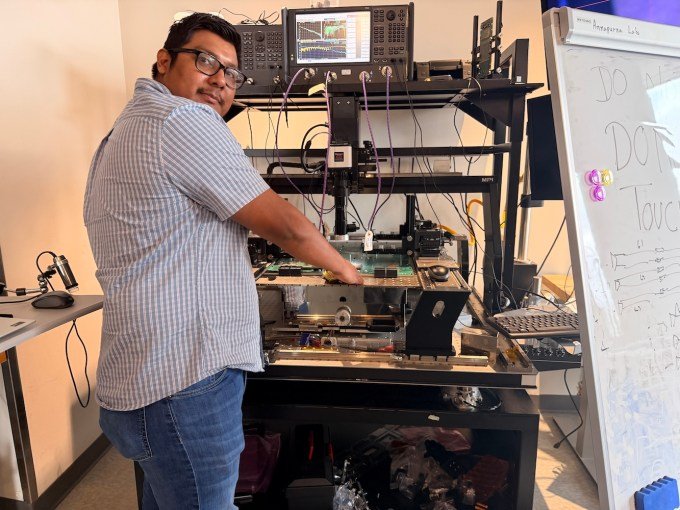
While the team remains focused on current demands from Anthropic and internal AWS services, the pressure is mounting. CEO Andy Jassy has publicly identified Trainium as a multibillion-dollar business for AWS, signaling that the engineers in Austin are now at the center of one of Amazon’s most critical growth vectors.