
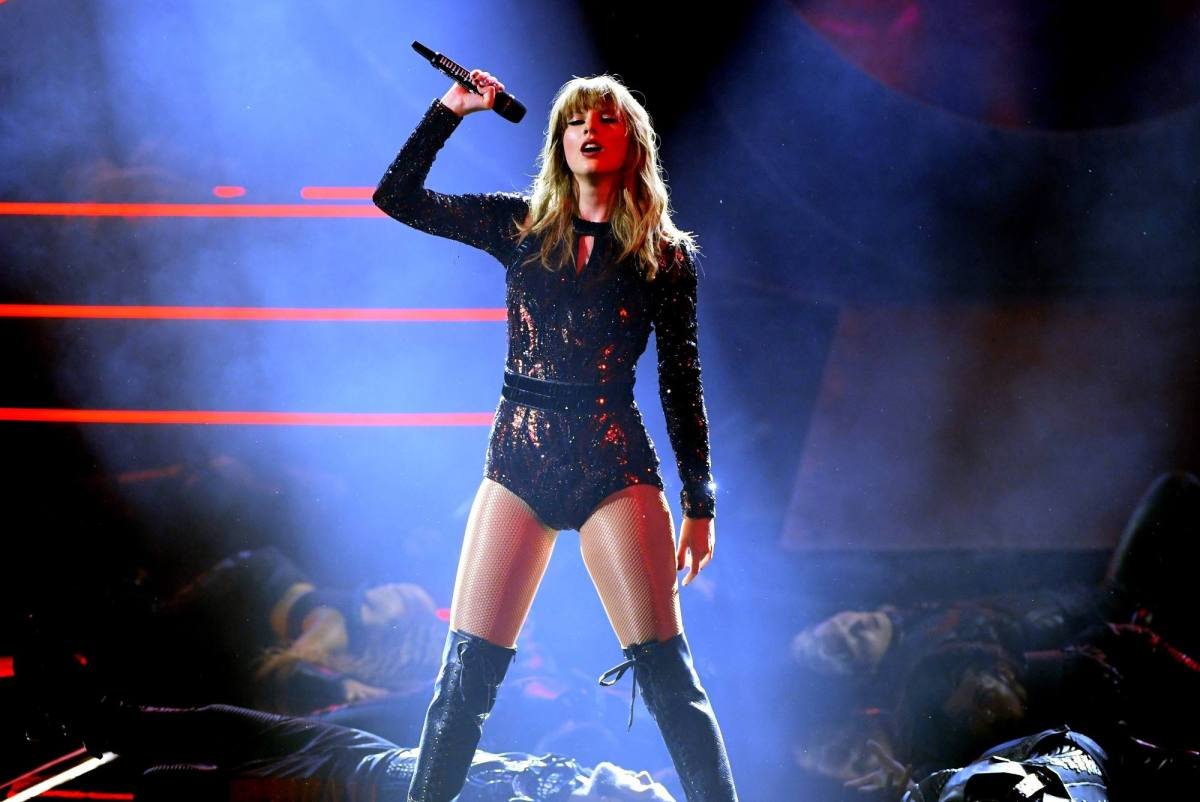
Former President Donald Trump recently shared a series of AI-generated images on Truth Social, falsely suggesting that Taylor Swift and her massive fanbase support his 2024 presidential campaign. As synthetic media becomes a fixture in political discourse, these posts have ignited a heated legal debate regarding the use of celebrity likenesses in campaign materials and the efficacy of emerging AI regulations.
The Rise of AI Impersonation in Politics
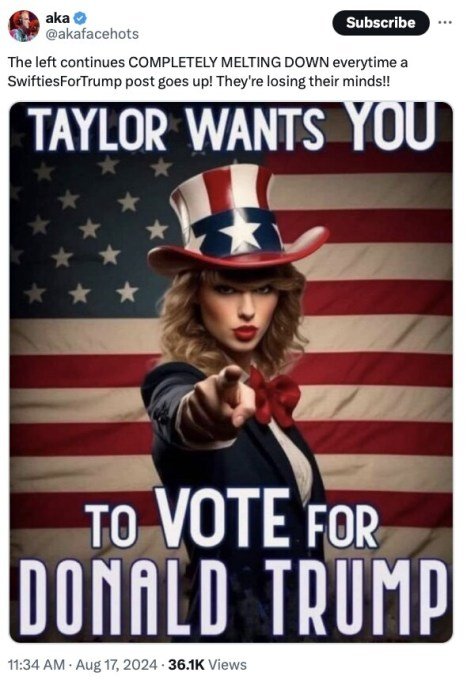
The images shared by the former president include depictions of young women wearing “Swifties for Trump” apparel and a parody screenshot portraying Swift as Uncle Sam with the caption, “Taylor wants you to vote for Donald Trump.” While these posts originated as satirical content on social media, their distribution via a major political campaign platform highlights the growing threat of deepfakes.
Noah Downs, an intellectual property and entertainment attorney, notes that AI-driven impersonations for endorsements are surging. “I’m seeing a lot of this in my practice right now,” Downs explained. The trend has become so pervasive that even entities like Shark Tank have issued public service announcements to warn audiences about scams using the likenesses of their investors.
Legislative Shields: The ELVIS Act
The legal landscape is shifting rapidly. In March, Tennessee—the corporate home base for Swift—enacted the ELVIS Act. This pioneering legislation provides explicit protections for artists against unauthorized AI imitations of their work. However, experts remain divided on whether this specific law covers political imagery.
“The legislation was passed with bipartisan support because everyone recognizes the risks AI poses to the public,” says Downs. Even so, the law primarily targets audio-based voice cloning, leaving a gray area for static imagery. Avi D. Kelin, a partner at PEM Law, suggests that while this could serve as an interesting “test case,” the law’s current focus on audio may limit its applicability to Trump’s recent posts.
The Regulatory Vacuum
While the Federal Communications Commission (FCC) is moving toward AI transparency requirements for broadcast media, these rules do not extend to social media posts by political candidates. This leaves a significant gap in oversight, especially considering that research from the Center for Countering Digital Hate (CCDH) indicates AI-generated disinformation on X has increased by an average of 130% per month over the past year.
Why Swift’s Influence Matters
The urgency surrounding these deepfakes stems from Swift’s unprecedented cultural reach. Data from Morning Consult reveals that over half of U.S. adults identify as fans, with 16% categorized as “avid.” In an era where national elections are often decided by thin margins, such influence is highly coveted.
Swift, who endorsed the Biden-Harris ticket in 2020, has not yet issued a formal endorsement for the 2024 race. As the legal system continues to grapple with the intersection of free speech and digital deception, the courts may soon have to decide where the line is drawn between political satire and illegal misrepresentation.