
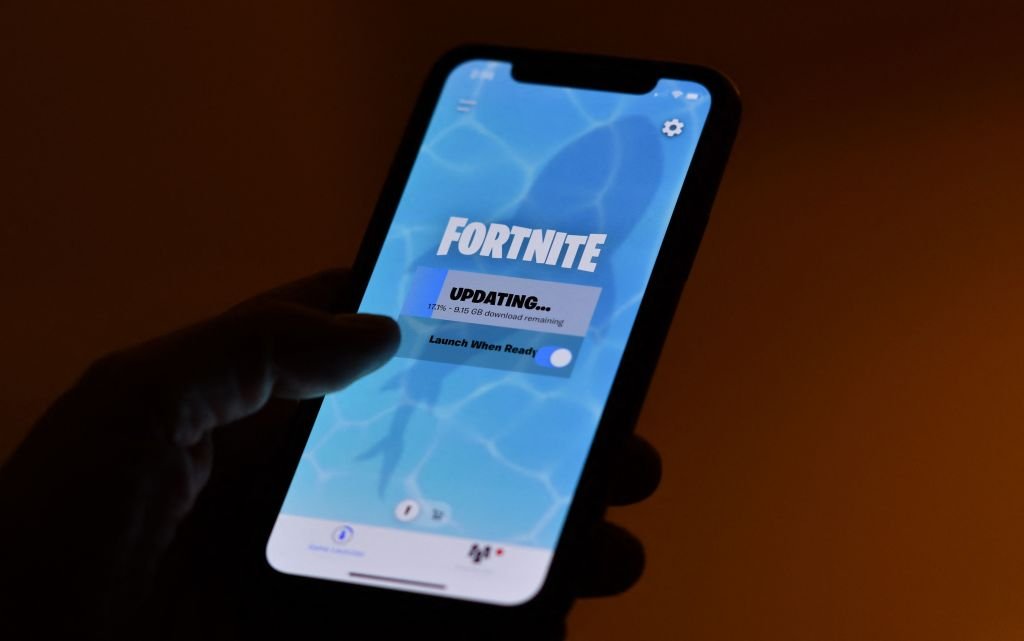
U.S. District Judge Yvonne Gonzalez Rogers has issued a stern ultimatum to Apple: approve the submission of Fortnite for the U.S. App Store immediately or return to court to justify its non-compliance. This directive follows a formal motion filed by Epic Games, which accuses the tech giant of stalling on the game’s distribution despite previous court orders.
A Direct Challenge to Apple’s Stalling Tactics
In a recent court filing, Judge Gonzalez Rogers demanded that Apple provide the “legal authority” it claims justifies ignoring the court’s mandate. Expressing clear frustration with the company’s resistance, the judge emphasized that Apple is fully capable of resolving the impasse without further hearings, provided they act now.
— Tim Sweeney (@TimSweeneyEpic) May 19, 2025
Crucially, the judge has requested the name of the specific Apple official responsible for ensuring compliance with the court’s decision. Legal observers interpret this move as a precursor to potential contempt of court charges, signaling that the judiciary is losing patience with Apple’s attempts to navigate around legal injunctions.
The Core of the Dispute
The conflict escalated after Epic Games resubmitted Fortnite, following a ruling that granted developers the right to include links to external payment mechanisms. Apple informed the game developer that it would withhold action on the submission until the Ninth Circuit rules on the company’s pending request for a partial stay of the injunction. Essentially, Apple is arguing that it is not obligated to comply while the appeals process remains ongoing.
This follows a history of contention regarding Apple’s App Store policies. While Apple previously allowed developers to apply for exceptions to its payment rules, it maintained a 27% commission on alternative purchases—down from the standard 30%—and mandated the use of “scare screens” to discourage users from leaving the ecosystem.
Antitrust Implications and Future Impact
Judge Gonzalez Rogers previously condemned Apple for “willful violation” of the injunction concerning anticompetitive pricing. Although Apple emerged as the victor in the initial antitrust suit—with the court ruling it was not a monopolist—Epic Games secured a critical win regarding the right to offer alternative payment options for in-app purchases.
Other major platforms, including Spotify, Amazon Kindle, and Patreon, have already updated their apps to utilize these new functionalities. The current standoff is being watched closely, as the outcome may set a significant precedent for how global markets regulate Apple’s ecosystem moving forward. Neither Apple nor Epic Games provided further comment on the latest judicial developments.