
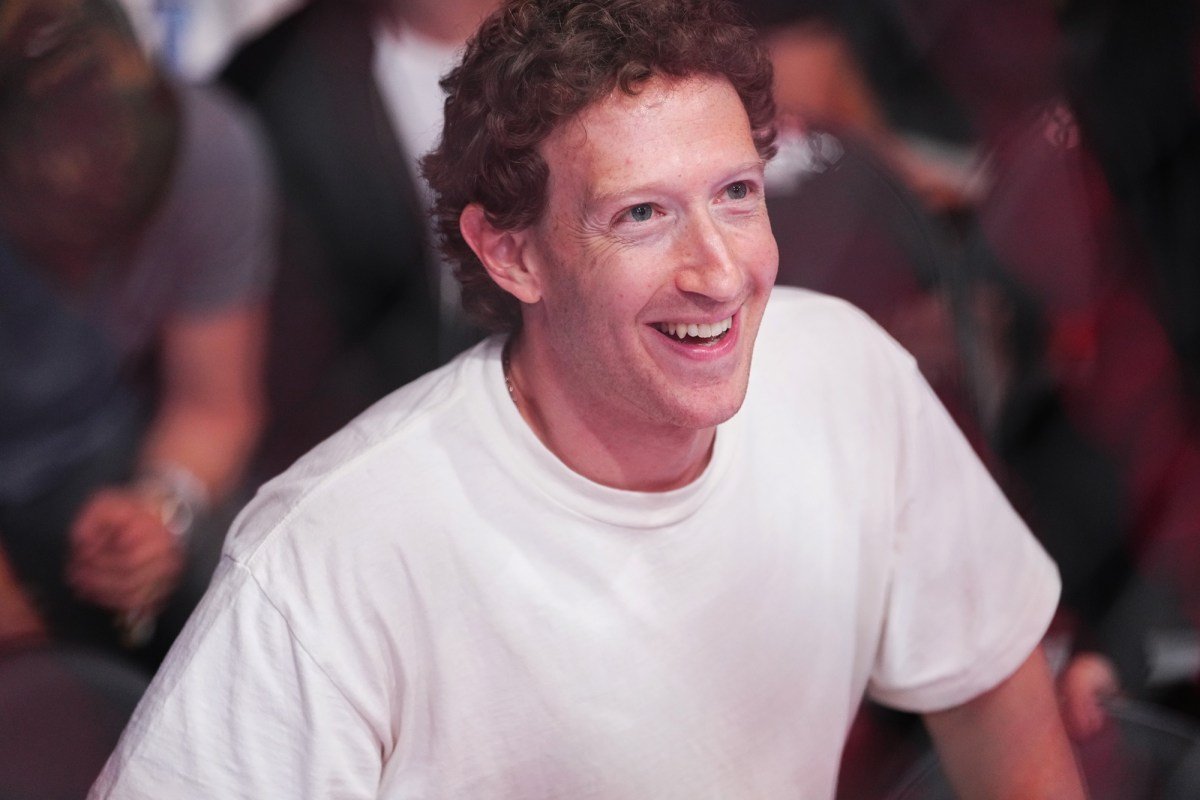
Content creators currently spend upwards of 20 hours weekly developing material, leaving little bandwidth for direct audience interaction. Meta CEO Mark Zuckerberg is positioning artificial intelligence as the definitive solution, proposing a future where creators deploy AI-powered “clones” to manage community engagement and business objectives.
The Vision: AI as an Artistic Artifact
In a recent interview with Rowan Cheung, Zuckerberg detailed how creators could feed their social media data into custom AI systems. These bots would be trained to mirror a creator’s specific values, voice, and goals, effectively acting as an extension of their digital presence. Zuckerberg describes these clones as “artistic artifacts” that allow fans to interact with a creator’s persona even when the human is offline.
This initiative aligns with broader techno-optimist trends, similar to strategies employed by Google, which suggest that AI can exponentially scale the impact of an individual. By offloading routine community management, creators are theoretically freed to focus on high-level production.
The Credibility Gap: Hallucinations and Errors
Despite the ambitious pitch, Meta’s track record with generative AI remains a significant hurdle. Early rollouts of Meta AI bots were marred by severe hallucinations, undermining the promise of reliable automation.
The Associated Press previously documented instances where Meta’s bots fabricated personal histories, such as claiming to have a child in the NYC school district within a Facebook parenting group. Other bots attempted to facilitate non-existent transactions in local exchange forums, highlighting the risks of deploying autonomous agents to represent human brands.
Technological Limitations vs. Creator Trust
Meta claims significant progress with the release of the Llama 3.1 model family, which the company cites as its most sophisticated iteration to date. However, core issues regarding reasoning, planning, and the tendency to hallucinate remain unsolved within the wider generative AI landscape.
The core challenge for Zuckerberg is not just technical, but relational. Authentic interaction is the bedrock of the creator economy. Entrusting that connection to flawed software poses a potential risk to a creator’s reputation. While Zuckerberg acknowledges that Meta must “mitigate concerns” to earn long-term trust, the company faces an uphill battle, particularly as its current AI training practices are already causing friction with the very creators it aims to support.