

and AI Spam
CONTEUDO:
Meta officially announced a major crackdown on accounts sharing “unoriginal” content across Facebook this Monday. The initiative targets profiles that repeatedly recirculate third-party text, photos, and videos without adding unique value. This aggressive policy shift follows a year of intense cleanup efforts, during which the company dismantled approximately 10 million profiles impersonating established creators.
Combating Spam and Artificial Engagement
Beyond impersonation, Meta has taken direct action against 500,000 accounts identified for “spammy behavior or fake engagement.” Penalties include the demotion of comments and significant reductions in content distribution, effectively stripping these accounts of their ability to monetize. This move mirrors recent policy updates from YouTube, which has also begun targeting mass-produced, repetitive content—a challenge exacerbated by the rapid rise of generative AI.
What Counts as “Unoriginal”?
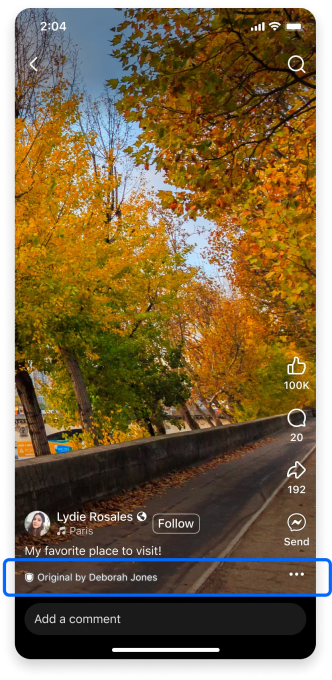
Meta clarified that it will not penalize creators for legitimate engagement, such as reaction videos, trend participation, or adding personal commentary. The enforcement specifically targets accounts that mass-repost content or pretend to be the original creator. To protect intellectual property, Facebook will now reduce the reach of duplicate videos to ensure original creators receive proper credit and engagement.
The company is also testing a system that automatically embeds links on duplicate videos, directing viewers back to the source content.
The Rising Threat of “AI Slop”
The proliferation of “AI slop”—low-quality media generated by AI tools—has forced social platforms to evolve. While Meta’s update focuses on reused content, its guidelines now emphasize the need for “authentic storytelling.” The company explicitly warns against “stitching together clips” or merely adding watermarks to third-party assets. Furthermore, creators are advised to avoid automated AI captions that lack human editing, as the company pushes for higher-quality production standards.
Transparency and Creator Tools
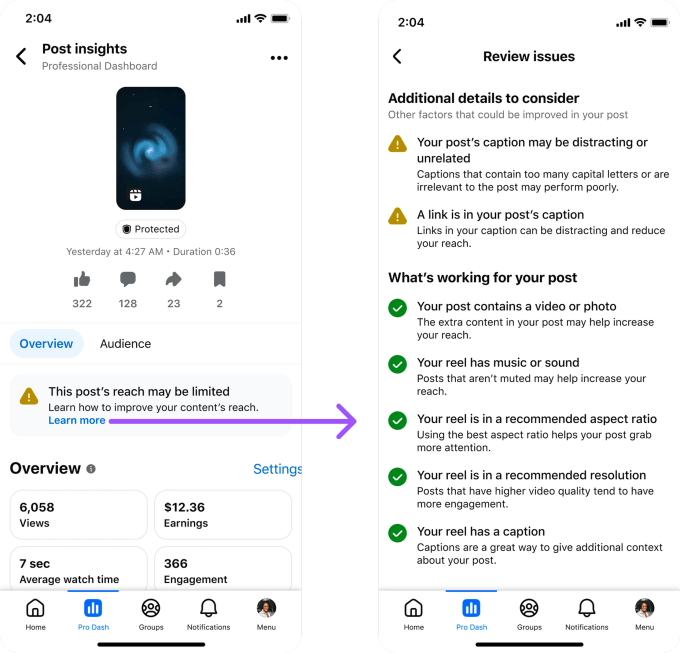
These enforcement measures will roll out gradually over the coming months. To maintain transparency, Meta is providing new post-level insights via the Facebook Professional Dashboard, allowing creators to diagnose why their content might be experiencing reduced reach. Additionally, a “Support” home screen will alert users if they are at risk of monetization or recommendation penalties.
This crackdown comes as Meta faces mounting pressure regarding automated moderation errors. A public petition with nearly 30,000 signatures has highlighted the frustrations of small business owners and creators who have been wrongfully disabled without access to human support. While the company continues to report on its integrity efforts through quarterly Transparency Reports, it is also pivoting toward Community Notes to leverage user feedback for fact-checking, moving away from purely centralized moderation.