

Meta is facing a major class-action lawsuit in the United States following revelations that sensitive footage captured by its AI smart glasses—including nudity, sexual acts, and private moments in restrooms—was reviewed by human contractors. The legal action, filed by plaintiffs Gina Bartone and Mateo Canu, accuses the tech giant of violating privacy laws and engaging in deceptive advertising practices.
The controversy ignited after an investigation revealed that workers at a Kenya-based subcontractor were accessing customer footage. Despite Meta’s claims that facial blurring technology was in place, reports suggest these protections were inconsistent, triggering a separate investigation by the U.K.’s Information Commissioner’s Office.
Deceptive Marketing Allegations
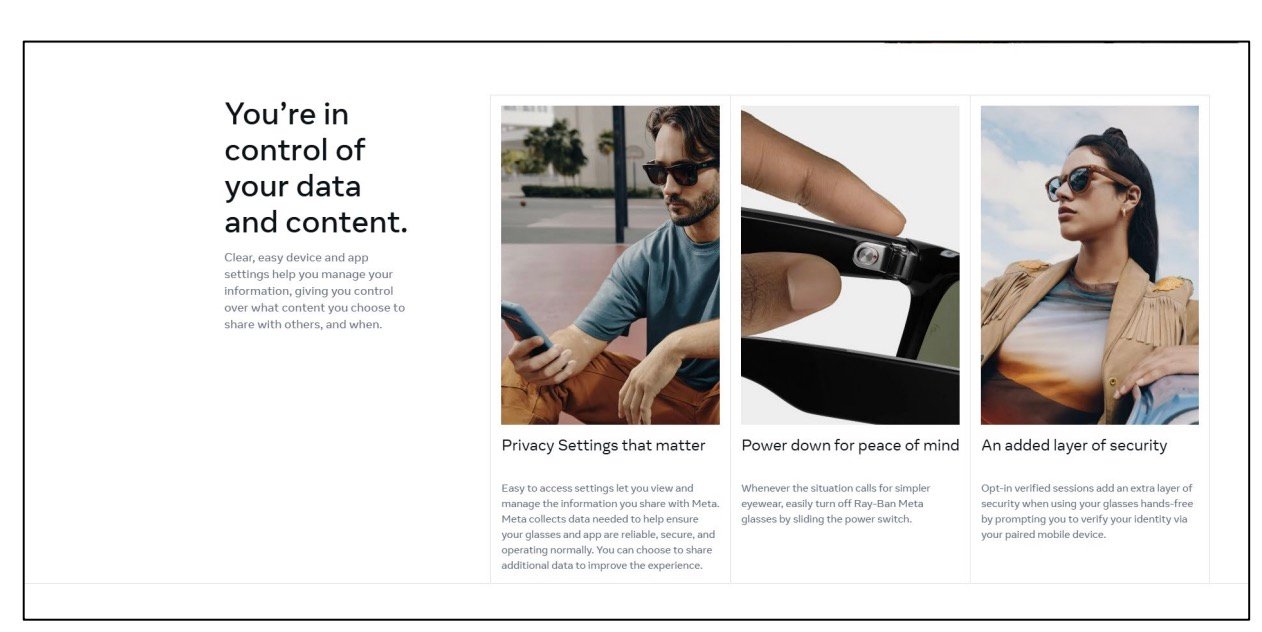
Represented by the Clarkson Law Firm—which has previously challenged tech giants like Apple, Google, and OpenAI—the plaintiffs argue that Meta’s marketing was fundamentally misleading. The lawsuit points to slogans such as “designed for privacy, controlled by you” as evidence that customers were led to believe their data remained secure.
The complaint asserts that users were never informed that their intimate, recorded moments could be viewed by overseas workers. With over seven million units sold in 2025, the scale of the potential privacy exposure is significant, particularly because users currently have no way to opt out of the data review pipeline.
Meta’s Response and Policy Defense
While Meta maintains that the human review process is standard industry practice to improve AI performance, the transparency of this disclosure remains a point of contention. The company pointed to its Supplemental Meta Platforms Terms of Service as justification, though critics note these terms are often buried.
A specific U.S. policy clause explicitly states: “In some cases, Meta will review your interactions with AIs, including the content of your conversations with or messages to AIs, and this review may be automated or manual (human).”
The Growing Backlash Against Surveillance Tech
The incident has intensified the public debate surrounding “luxury surveillance” devices. As smart glasses and always-listening AI wearables become more common, privacy advocates and developers are pushing back, with some even creating apps designed to detect when such recording devices are in the vicinity.
In a statement regarding the allegations, Meta spokesperson Christopher Sgro noted: “When people share content with Meta AI, we sometimes use contractors to review this data for the purpose of improving people’s experience. We take steps to filter this data to protect people’s privacy and to help prevent identifying information from being reviewed.”
The lawsuit continues to target both Meta and its manufacturing partner, Luxottica of America, for alleged violations of consumer protection statutes.