
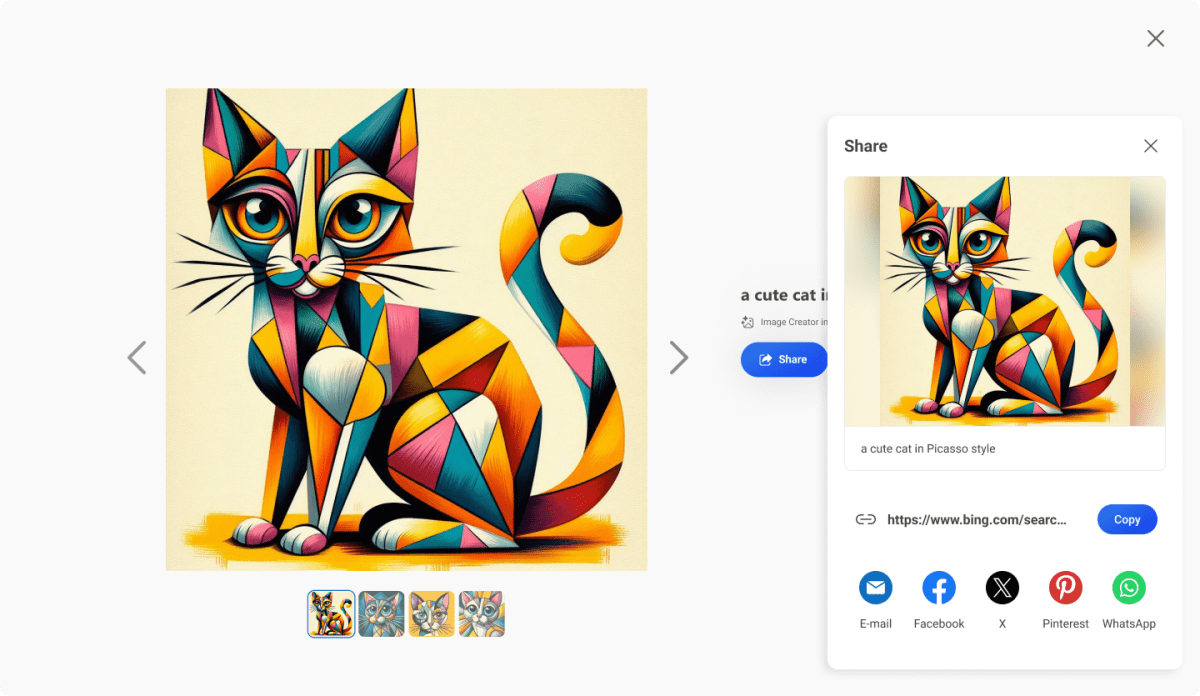
Microsoft is rolling back a recent update to its Bing Image Creator after users reported a significant decline in output quality. The company confirmed it will revert to the previous DALL-E 3 model, known as PR13, following widespread criticism regarding the performance of the newer PR16 iteration.
The Failed Upgrade
In mid-December, Microsoft announced an ambitious update to the AI model powering Bing Image Creator. The company promised that the new PR16 version of OpenAI’s DALL-E 3 would deliver images “twice as fast” and with “higher quality.” However, the real-world results failed to meet these expectations, triggering a wave of negative feedback across platforms like X and Reddit.
Users described the new outputs as “lifeless,” “weirdly cartoonish,” and lacking the detail found in previous versions. Critics pointed out that the model appeared to struggle with realism, leading many to abandon the tool in favor of alternatives like ChatGPT.
Microsoft’s Response to User Feedback
Jordi Ribas, head of search at Microsoft, addressed the controversy in a post on X this Tuesday. He confirmed that the company successfully reproduced the reported issues and is initiating a return to the PR13 model.
“We’ve been able to reproduce some of the issues reported, and plan to revert to DALL-E 3 PR13 until we can fix them,” Ribas stated. He noted that the deployment process for this reversal is gradual, having begun over a week ago, with full implementation expected to take another two to three weeks.
The Challenge of AI Benchmarking
This incident highlights the growing divide between internal AI testing metrics and actual user experience. Despite Microsoft’s internal benchmarks suggesting that PR16 was “a bit better on average” than its predecessor, the public consensus was starkly different.
The situation mirrors similar struggles faced by other tech giants. Earlier this year, Google famously paused the image-generation capabilities of its Gemini chatbot following intense scrutiny over historical inaccuracies in its output. These missteps underscore the difficulty of accurately measuring “quality” in generative AI, where subjective preference often outweighs internal quantitative data.
As Microsoft works to rectify the performance of its image generation tool, the primary takeaway remains clear: even models that pass internal quality assurance checks may fail to satisfy the diverse and nuanced expectations of the global user base.