
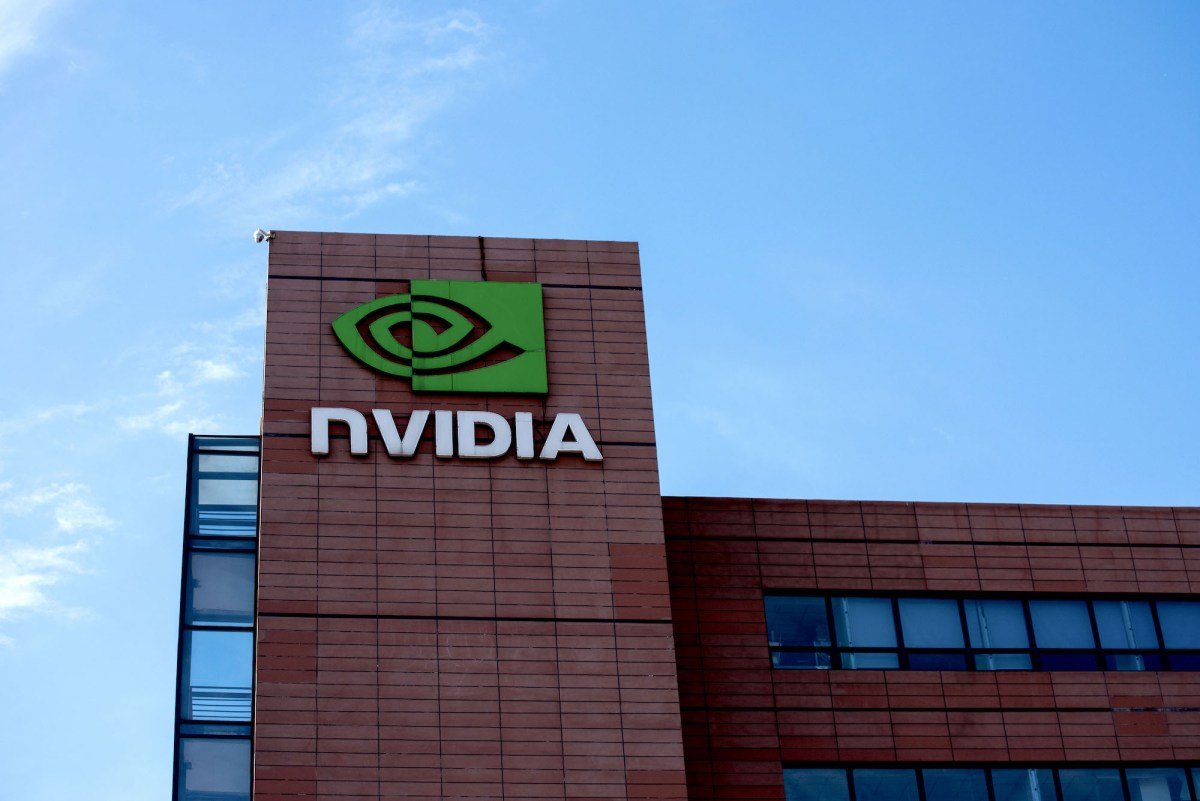
Nvidia CEO Jensen Huang appears to have secured a reprieve for the company’s H20 AI chips, successfully negotiating with the Trump administration to avoid new export restrictions. The agreement reportedly hinges on Huang’s commitment to invest in domestic AI data centers, a move designed to bolster U.S. infrastructure.
The Mar-a-Lago Negotiations
The deal was allegedly brokered during a dinner meeting at President Trump’s Mar-a-Lago resort last week. While Nvidia has declined to provide official comments, the maneuver marks a significant pivot. The administration had previously been preparing to impose strict export controls on the H20—a modified, lower-performance chip currently permitted for sale in China.
Pressure Over the DeepSeek Breakthrough
The urgency behind the potential ban stemmed from reports that Chinese AI firm DeepSeek utilized Nvidia’s H20 chips to train its R1 model. The success of R1, which has shown performance competitive with top U.S. labs like OpenAI, triggered a bipartisan outcry. Senators from both parties, including calls from the Senate Banking Committee, had explicitly urged the Trump administration to close the loophole that allowed these chips to reach the Chinese market.
Geopolitical Strategy and Domestic Investment
Allowing the continued export of H20 chips creates a complex narrative for the Trump administration, which has prioritized maintaining U.S. dominance in the global AI race. This decision is particularly notable given the administration’s choice to maintain the sweeping export rules established by the Biden administration in January. Those existing regulations place heavy restrictions on chip exports to China, Russia, and even some U.S. allies—guidelines Nvidia has publicly labeled “unprecedented and misguided.”
The “America-First” Investment Trend
Nvidia is not alone in aligning its business strategy with the White House’s “America-first” agenda. Major tech players are aggressively committing to domestic projects to ensure regulatory favor:
- OpenAI: Partnered with SoftBank and Oracle for the $500 billion “Stargate Project” focused on U.S. data centers.
- Microsoft: Committed $80 billion for AI data center expansion in fiscal year 2025, with half allocated specifically to the U.S.
The administration has demonstrated a willingness to use aggressive tactics to enforce these investments. Reports indicate that President Trump has pressured industry giants like TSMC, threatening heavy tariffs of up to 100% on the Taiwanese firm unless it commits to constructing significant manufacturing capacity within the United States.