
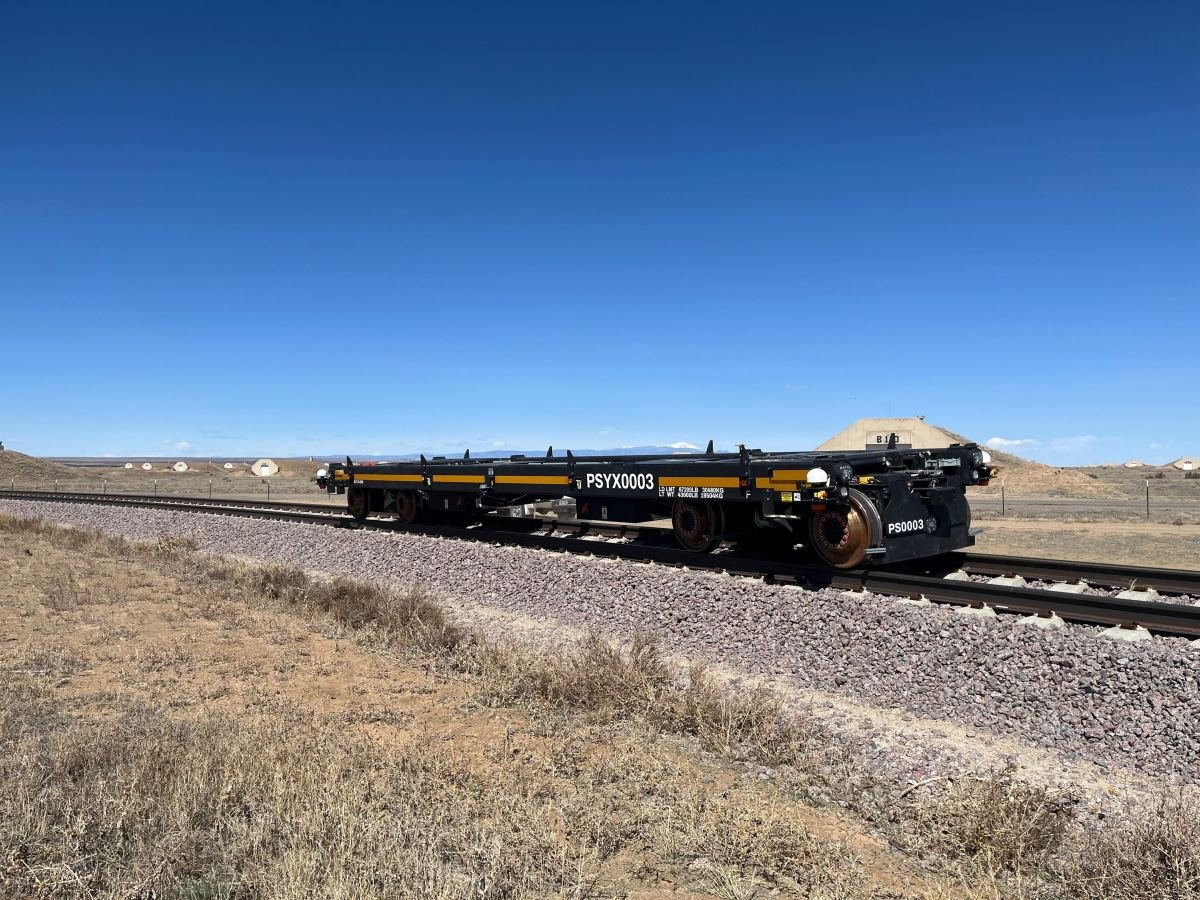
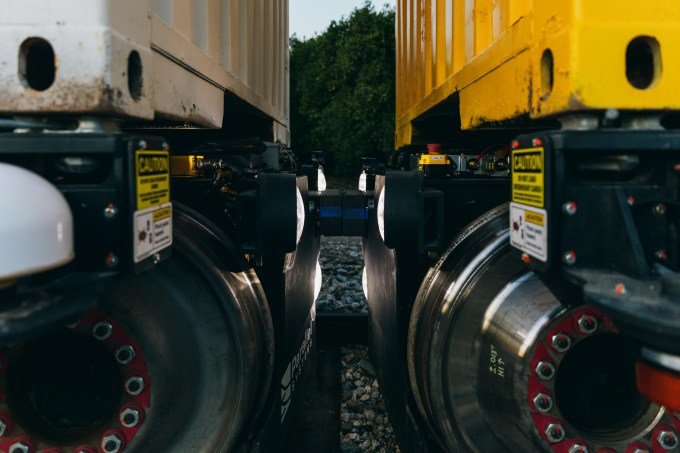
Parallel Systems is revolutionizing short-distance freight transport with a new autonomous electric rail technology. By enabling train cars to attach and detach independently, the company eliminates the need for manual coupling—a high-risk task—while allowing for flexible delivery volumes and significantly faster braking capabilities compared to traditional freight trains.
Strategic Pilot Programs and Infrastructure
The Federal Railroad Administration has officially approved Parallel Systems to begin pilot operations in Georgia. This initiative will test the tech-enabled trains along a 160-mile corridor connecting the Port of Savannah to various distribution centers throughout the state. According to company leadership, the system is designed to operate alongside traditional rail traffic rather than replacing it, utilizing a unique physical architecture to achieve competitive economics at a smaller scale.
Capital Injection and Commercial Roadmap
Parallel recently secured $38 million in a Series B funding round led by Anthos Capital, with participation from Collaborative Fund, Congruent Ventures, and Riot Ventures. This latest investment brings the company’s total funding to over $100 million. These funds are earmarked for aggressive commercialization efforts, with a primary goal of launching initial commercial operations in 2026.
Expert Backing and Industry Vision
Sophie Bakalar, a partner at Collaborative Fund, highlighted that while the startup falls outside their typical consumer-focused thesis, the immense potential of the freight market and the team’s expertise made the investment a clear choice. “This is a generational innovation in the freight industry,” noted Parallel CEO Matt Soule, who brings two decades of aerospace experience—including 13 years at SpaceX—to the rail sector.
Addressing Global Logistics Challenges
While the company has received global interest, current efforts are concentrated on the U.S. and Australian markets. As global supply chains face uncertainty—including the current tariff landscape—industry experts anticipate that companies will increasingly turn to technologies like Parallel’s to drive cost efficiencies and optimize distribution strategies. Since its founding in 2020, Parallel has moved rapidly from conceptual R&D to active, real-world pilot testing.