
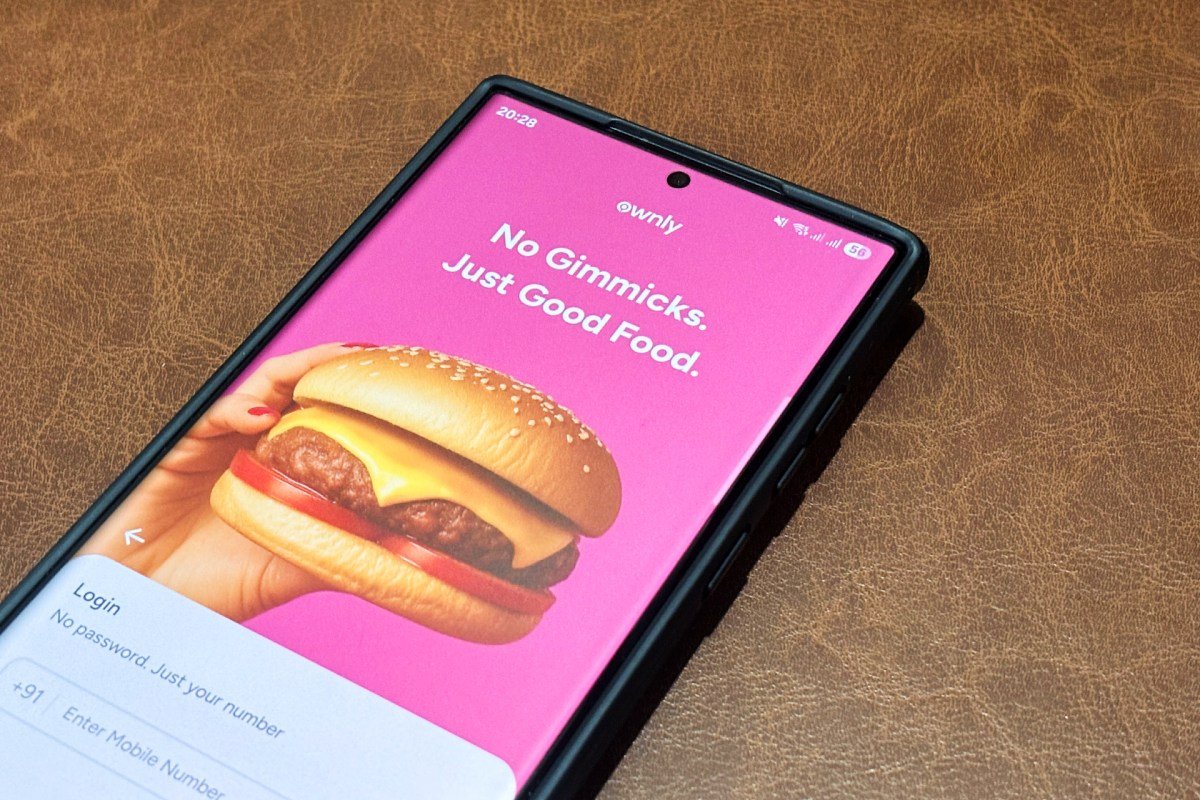
India’s ride-hailing giant, Rapido, has officially entered the competitive food delivery arena, launching beta tests for its new service in Bengaluru. The 10-year-old startup is now directly challenging market titans Swiggy and Zomato by leveraging its massive fleet of two-wheelers.
Strategic Expansion via “Ownly”
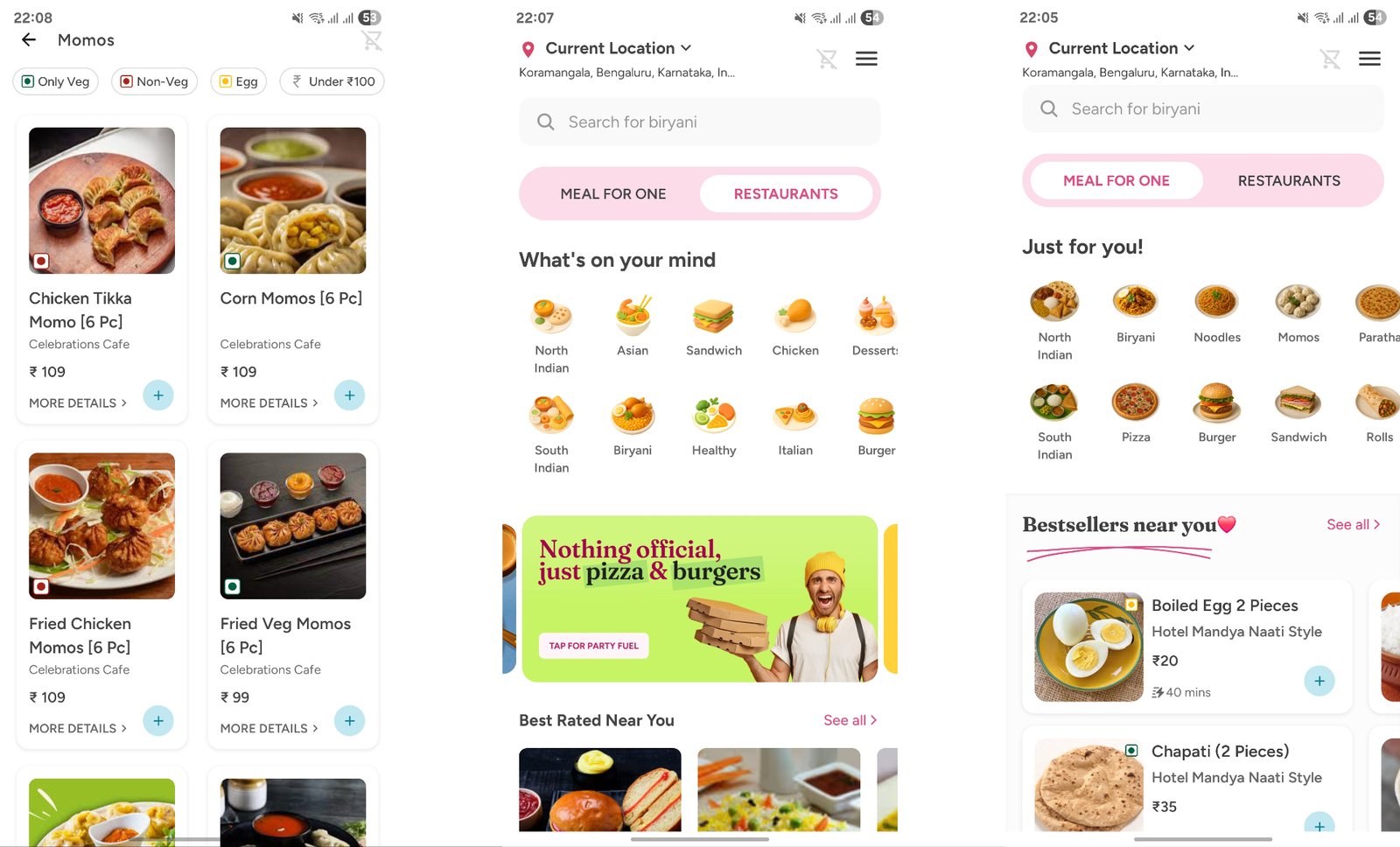
The delivery service, branded as Ownly, is currently being tested in high-demand Bengaluru neighborhoods, including BTM Layout, HSR Layout, and Koramangala. Rapido has established a wholly-owned subsidiary, Ctrlx Technologies, to manage the operation. Regulatory filings identify Rapido CEO Aravind Sanka and VP of Finance Vivek Krishna as directors of the new entity.
Disrupting the Pricing Model
Ownly is positioning itself as a low-cost alternative. By abandoning the traditional commission-based model—where competitors often charge restaurants up to 30%—Rapido has opted for a fixed-fee structure per order. This shift allows the platform to offer menu items at prices approximately 15% lower than those found on Swiggy or Zomato.
The startup’s Android app is already live on the Google Play Store, signaling a serious push to capture price-sensitive consumers in one of the world’s fastest-growing delivery markets.
Navigating Conflict of Interest
The entry into food delivery creates a complex dynamic with Swiggy, which currently holds a 12% minority stake in Rapido. Swiggy has publicly confirmed it is reevaluating its investment due to the potential conflict of interest. While Rapido is not contractually barred from using data gained during its previous delivery partnerships, it remains prohibited from forming formal agreements with Zomato.
Operational Edge: Data and Fleet Size
Rapido’s advantage lies in its existing infrastructure. With a fleet of approximately 10 million vehicles across India—including 5 to 6 million two-wheelers—the company is well-positioned for rapid scaling. Insiders suggest that Rapido is utilizing historical data on peak hours and high-demand restaurants, gathered while handling deliveries for other platforms, to optimize its logistics.
To maintain efficiency, the service is currently curating menu options and limiting delivery radiuses, effectively reducing fuel costs and transit times.
The Market Landscape
The stakes are high. India’s online food delivery market is projected to exceed ₹2 trillion ($23 billion) by 2030. Currently, the duopoly of Zomato (58% market share) and Swiggy (42% market share) dominates the sector.
Since its founding in 2015, Rapido has raised $574 million across 13 funding rounds. Having already successfully expanded from bike taxis into auto rickshaws, courier services, and cabs, the company is now testing whether its subscription-based, low-commission model can break the current delivery status quo.