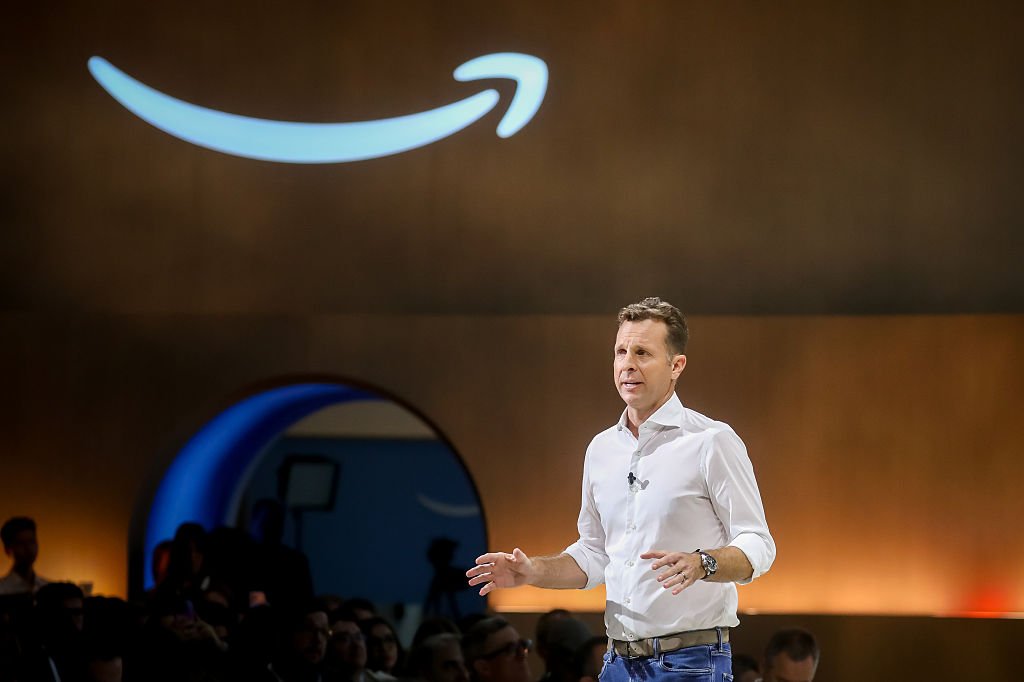
Jamie Siminoff, the visionary founder of the video doorbell giant Ring, has officially returned to the Amazon-owned company to spearhead a new era of “intelligent assistants.” Following a brief departure in 2023, Siminoff is back at the helm, driven by the rapid evolution of artificial intelligence and a deeply personal motivation: the 2026 Palisades fires, which destroyed the very garage where he originally built Ring.
Siminoff’s mission is to transition Ring from a simple video doorbell provider into a comprehensive, AI-powered ecosystem for the home. Announced just before CES in Las Vegas, the company is rolling out advanced features including conversational AI, facial recognition, and specialized fire alerts, signaling a fundamental shift in the brand’s product roadmap.
The AI-Driven “Intelligent Assistant”
“Turn AI backwards — it’s IA, an intelligent assistant,” Siminoff explained during a recent discussion. The core objective is to reduce the “cognitive load” on users by making homes smarter and more proactive. Rather than merely recording events, the system is designed to synthesize information, providing users with actionable intelligence rather than raw footage.
Fire Watch and Real-World Impact
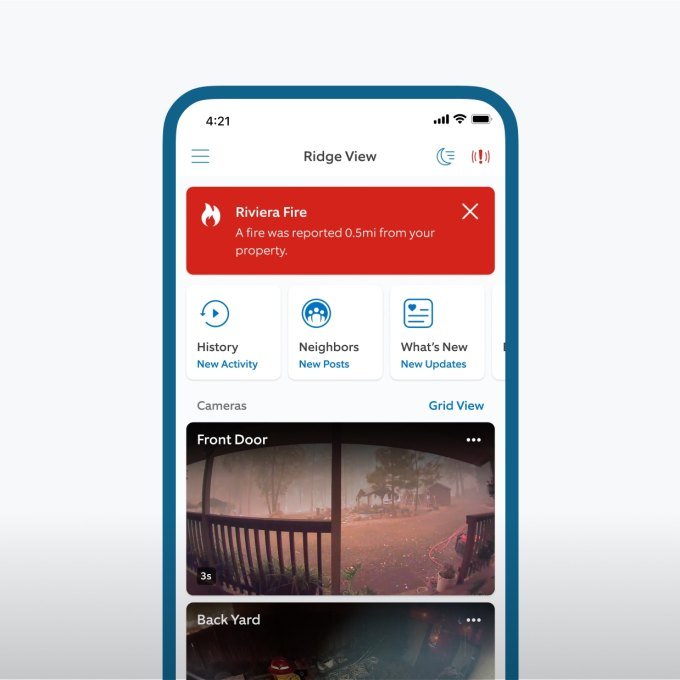
The devastation of the Palisades fires directly inspired the new “Fire Watch” feature. In a strategic partnership with the nonprofit organization Watch Duty, Ring customers can now opt to share footage during major fire events. This data allows for more efficient deployment of firefighting resources, with AI tools specifically trained to identify smoke, embers, and active flames in real-time.
Search Party: Facial Recognition for Pets
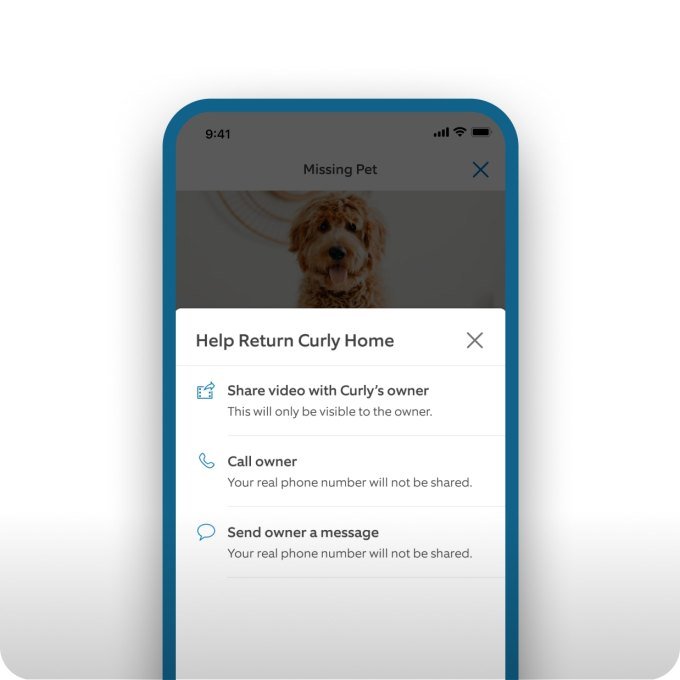
Another significant addition is “Search Party,” an AI feature designed to help reunite families with lost pets. By utilizing a form of facial recognition tailored for dogs, the system matches user-submitted photos of missing pets with shared Ring footage. Siminoff noted that the feature is currently reuniting one family with their dog every day, significantly exceeding his initial performance expectations for the first quarter.
Navigating Privacy and Law Enforcement Partnerships
Ring’s pivot toward deeper integration with law enforcement—specifically through partnerships with companies like Flock Safety and Axon—has sparked significant debate. While critics raise concerns regarding mass surveillance and data misuse, Siminoff defends the model as an anonymous, opt-in system.
He points to the recent Brown University shooting as a success story for the technology, asserting that the combination of surveillance footage was instrumental in locating the suspect. “If we had caved to the scrutiny, the police wouldn’t have had a tool to help find this shooter,” Siminoff argued, maintaining that the utility for community safety outweighs the risks.
Facial Recognition: The “Familiar Faces” Debate
The “Familiar Faces” feature, which allows the system to identify and label frequent visitors, remains a lightning rod for privacy advocates. Despite pushback from groups like the EFF, Siminoff views the technology as a way to create a more personalized experience, allowing the system to learn the unique “fingerprint” of a household.

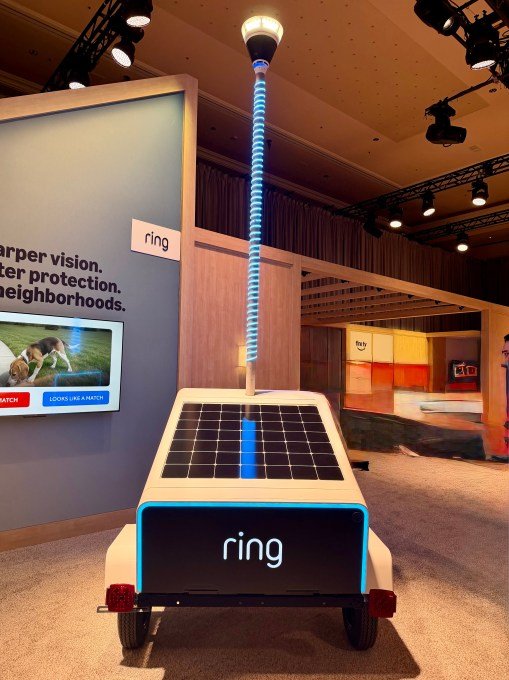
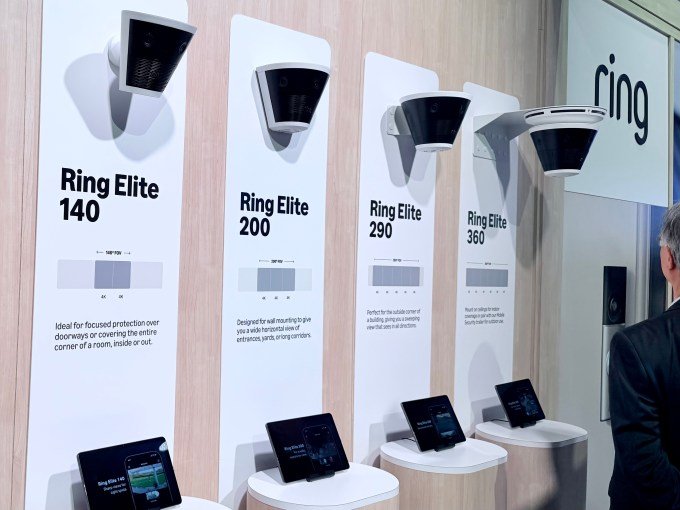
As Ring expands into commercial hardware—including industrial-grade mounted cameras and solar-powered surveillance trailers—the platform is no longer just for residential security. It is scaling to cover job sites, campuses, and parking lots, marking a massive transition in how the company defines the boundaries of home and public safety.