
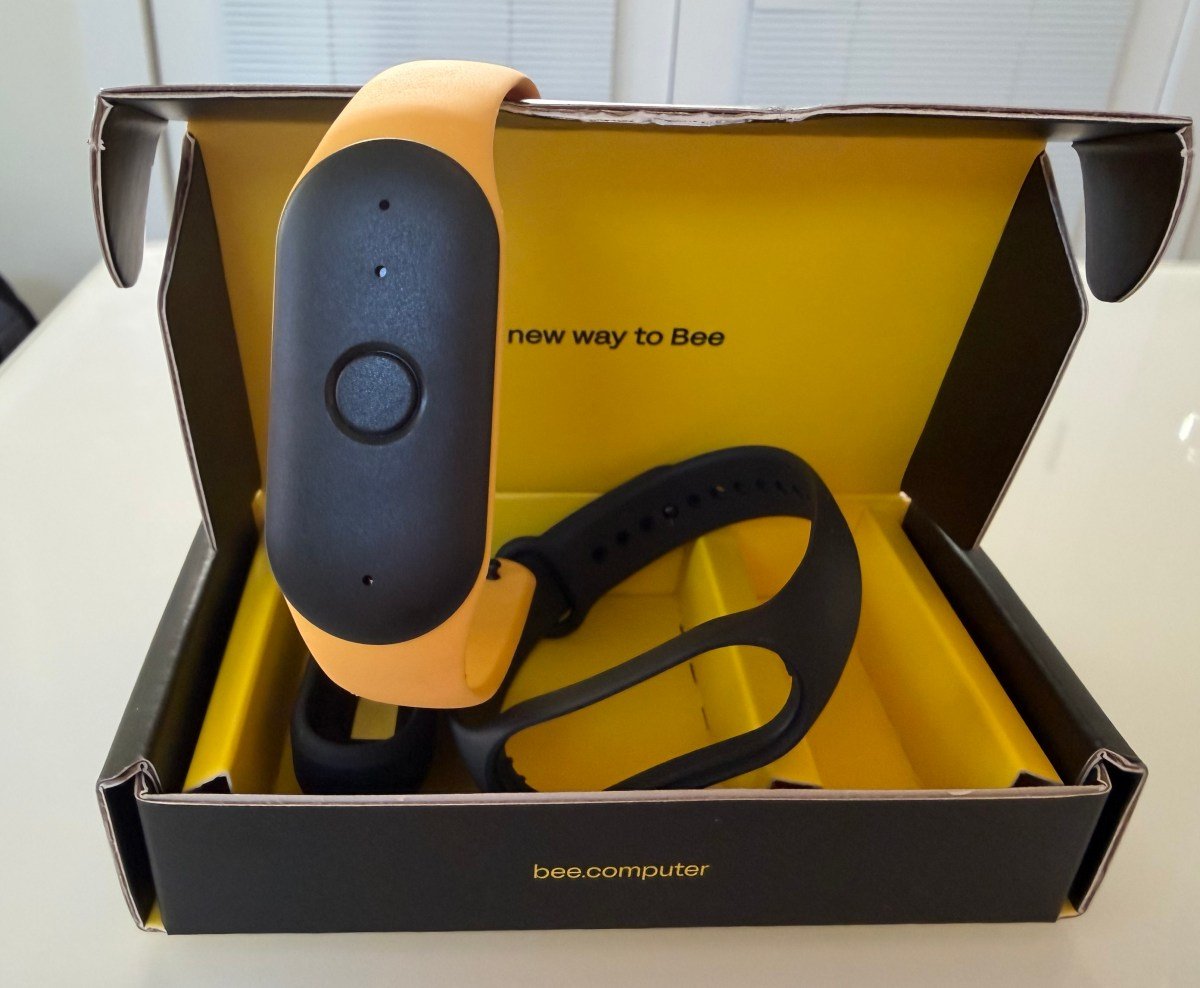
Amazon has officially entered the AI wearable market with Bee, a device designed to record, transcribe, and intelligently segment audio conversations. In early field tests, the device proved straightforward to operate, requiring only a button press to toggle recording on or off.
Intuitive Controls and AI Processing
The companion app offers deep customization. Users can configure double-press gestures to bookmark specific segments, process ongoing conversations, or perform both actions simultaneously. A press-and-hold gesture allows for quick voice notes or direct interaction with the AI assistant. Unlike standard transcription services such as Fathom, Fireflies, or Otter, Bee distinguishes itself by breaking audio into thematic sections rather than providing a single raw transcript.
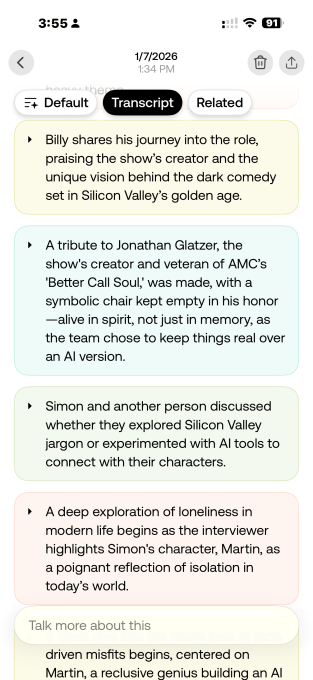
Each section is visually distinct, allowing users to tap into specific parts to view detailed transcriptions. However, the current iteration has limitations: speaker labeling is not automated, and the device discards audio files immediately after processing, which may deter users requiring high-fidelity playback for verification.
Beyond Professional Meetings
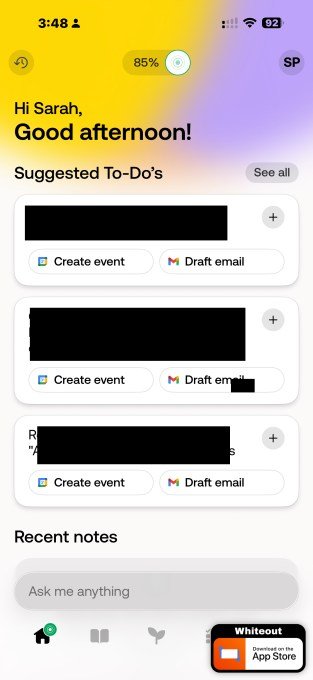
Amazon is positioning Bee not just as a business tool, but as a lifestyle companion. Through Google service integration, the device can link recorded interactions to actionable tasks—such as suggesting LinkedIn connections or product research after a networking event. It also features a “Grow” section that provides personalized insights over time, alongside a “facts” repository that stores information about the user.
Design and Privacy Considerations
Hardware-wise, the sports band felt somewhat flimsy during testing, prone to detaching unexpectedly. The clip-on pin, however, offers a more secure alternative. Privacy is a central pillar of the design: Bee does not record by default, utilizing a green LED indicator to alert bystanders when the microphone is active.
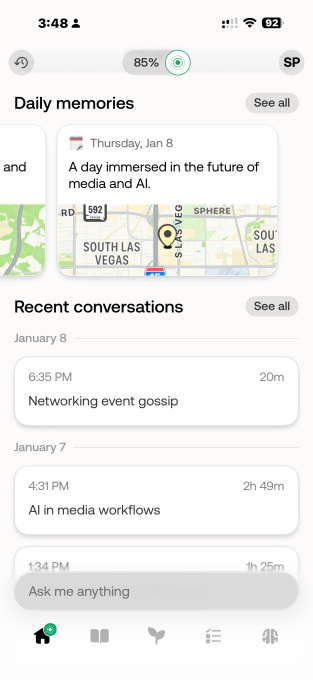
Despite the sophisticated app design—which arguably outperforms Amazon’s native Alexa mobile experience—the broader adoption of AI recording wearables faces a significant social hurdle. The potential for these devices to create a “constant record” culture raises questions about consent and self-censorship in public spaces.

As previous AI pendant launches have shown, public sentiment remains wary of “always-on” listening. Bee’s long-term success will depend on whether consumers find genuine utility in life-logging or if the social friction of recording everyday conversations proves too high to overcome.