
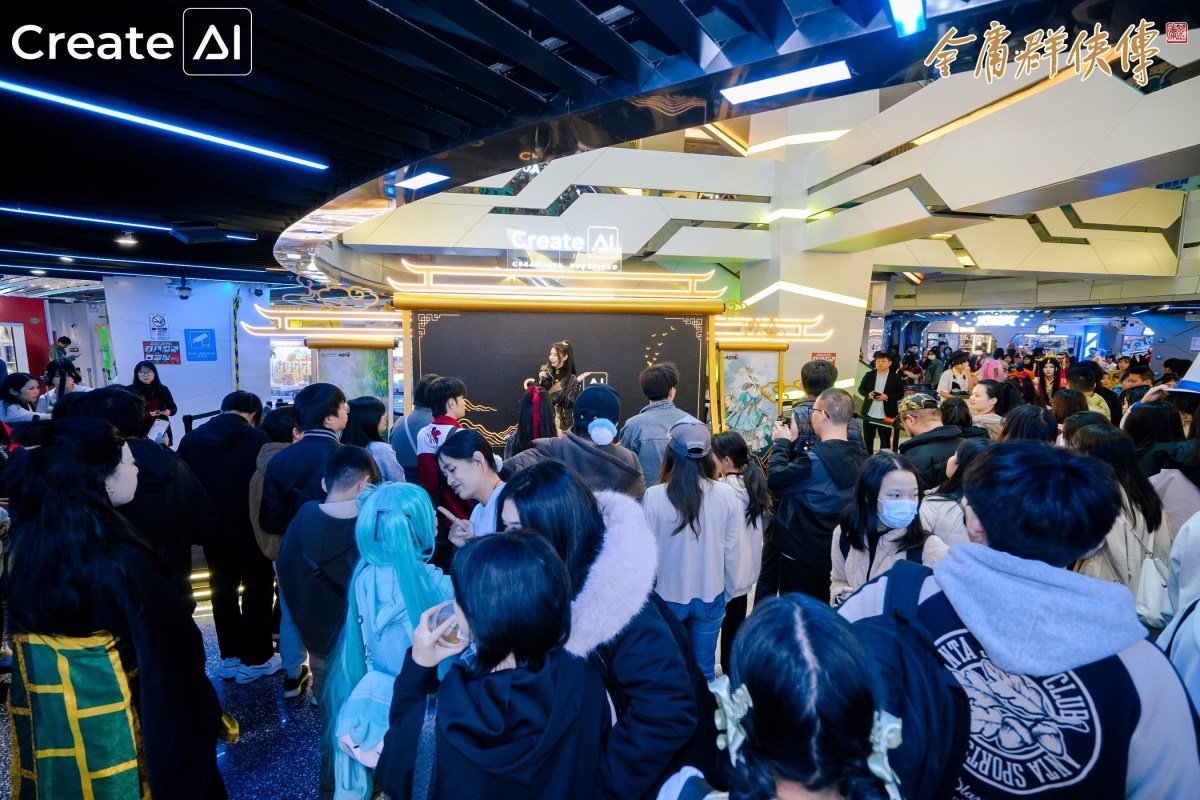
TuSimple has officially finalized its transition from autonomous trucking to the generative AI animation and gaming sector, rebranding itself as CreateAI. The shift marks a definitive end to the company’s once-ambitious path in self-driving technology.
A Controversial Strategic Pivot
The rebrand arrives as the company faces intense scrutiny over plans to shift its remaining U.S. assets to China to fund the new venture. Following its 2021 IPO, which raised $1.35 billion, TuSimple eventually shuttered its U.S. autonomous operations and delisted from the stock market in January 2024. After parting ways with its autonomous driving staff, the company pivoted to hiring talent for AI animation and gaming projects.
Shareholder Conflict and Allegations of Self-Dealing
The pivot has sparked legal and ethical concerns among shareholders. Critics have accused co-founder and director Mo Chen of self-dealing, citing his existing ties to various animation and gaming firms. A recent financial filing revealed that the board approved a $25 million deal in November with two game development companies affiliated with Chen to produce “Heroes of Jin Yong.” While Chen transferred his ownership in these firms to a trust in May 2024 to mitigate conflicts, the beneficiaries of that trust remain his family members.
The Future of Autonomous Assets
Although CreateAI no longer maintains an active autonomous vehicle (AV) development program, CEO Cheng Lu maintains that the company intends to monetize its existing intellectual property. The new business plan includes provisions for licensing legacy self-driving technology to partners in China. However, this strategy faces stiff opposition from co-founder and former CEO Xiaodi Hou, who is actively seeking to replace the board of directors and force a liquidation of the company’s remaining $450 million in cash assets to return value to stockholders.
Launching “Ruyi” and New Creative Ventures
CreateAI is moving forward with its new identity by unveiling Ruyi, an open-source “image-to-video” AI model hosted on Hugging Face. The company claims the model was developed in under six months by repurposing technological infrastructure originally built for autonomous driving systems.
The firm has also outlined an ambitious long-term business strategy, which includes a collaboration with acclaimed Japanese anime designer Shōji Kawamori. Together, they aim to adapt the novel “The Three-Body Problem” into an animated feature film and a video game.
“We are confident that our integrated approach at the intersection of generative AI and digital entertainment creation is a differentiating factor, one that provides significant long-term growth opportunities,” stated CEO Cheng Lu.