
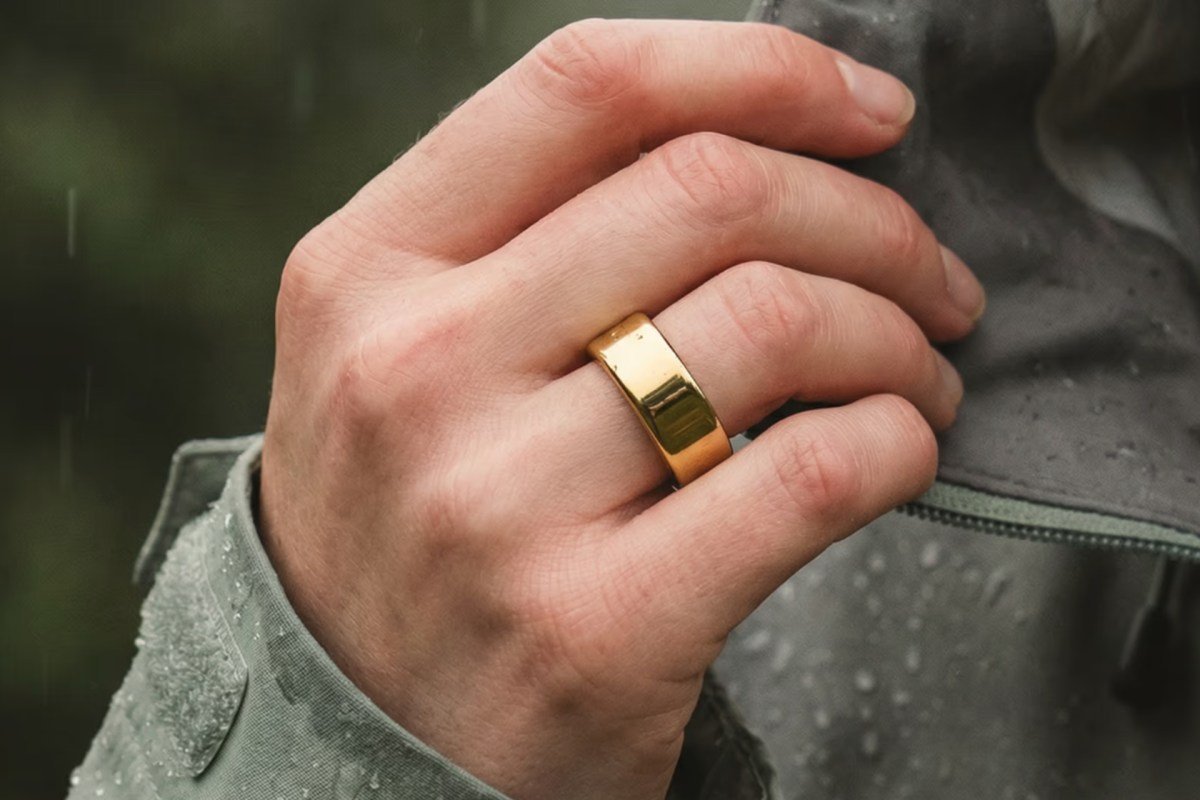
Bengaluru-based health tech firm Ultrahuman is staging a strategic comeback in the U.S. market. Following a critical approval from U.S. Customs and Border Protection (CBP) for its new Ring Pro, the company aims to reclaim territory lost during a protracted patent battle with industry leader Oura.
The regulatory green light arrives less than a month after the global debut of the Ring Pro. This development serves as a direct counter-maneuver to an October ruling by the U.S. International Trade Commission (ITC), which previously restricted the import of Ultrahuman’s Ring Air model—a setback that CEO Mohit Kumar estimates cost the company up to $50 million in potential sales.
The Battle for US Market Supremacy
The U.S. remains the world’s most lucrative arena for smart rings, accounting for 2.6 million units sold in 2025—roughly 60% of the 4.4 million global total. According to IDC data, the market is expanding at 59% year-over-year, yet it has seen significant consolidation.
During the import restrictions, Ultrahuman’s U.S. market share plummeted from a peak of 24.6% in Q2 2025 to low single digits. Conversely, Oura capitalized on the vacuum, expanding its market dominance from 63.3% to 85%. While Ultrahuman pivoted to growth in Europe and Asia, the U.S. remains vital, representing 45% of the company’s 700,000 daily active users.
Engineering a Comeback
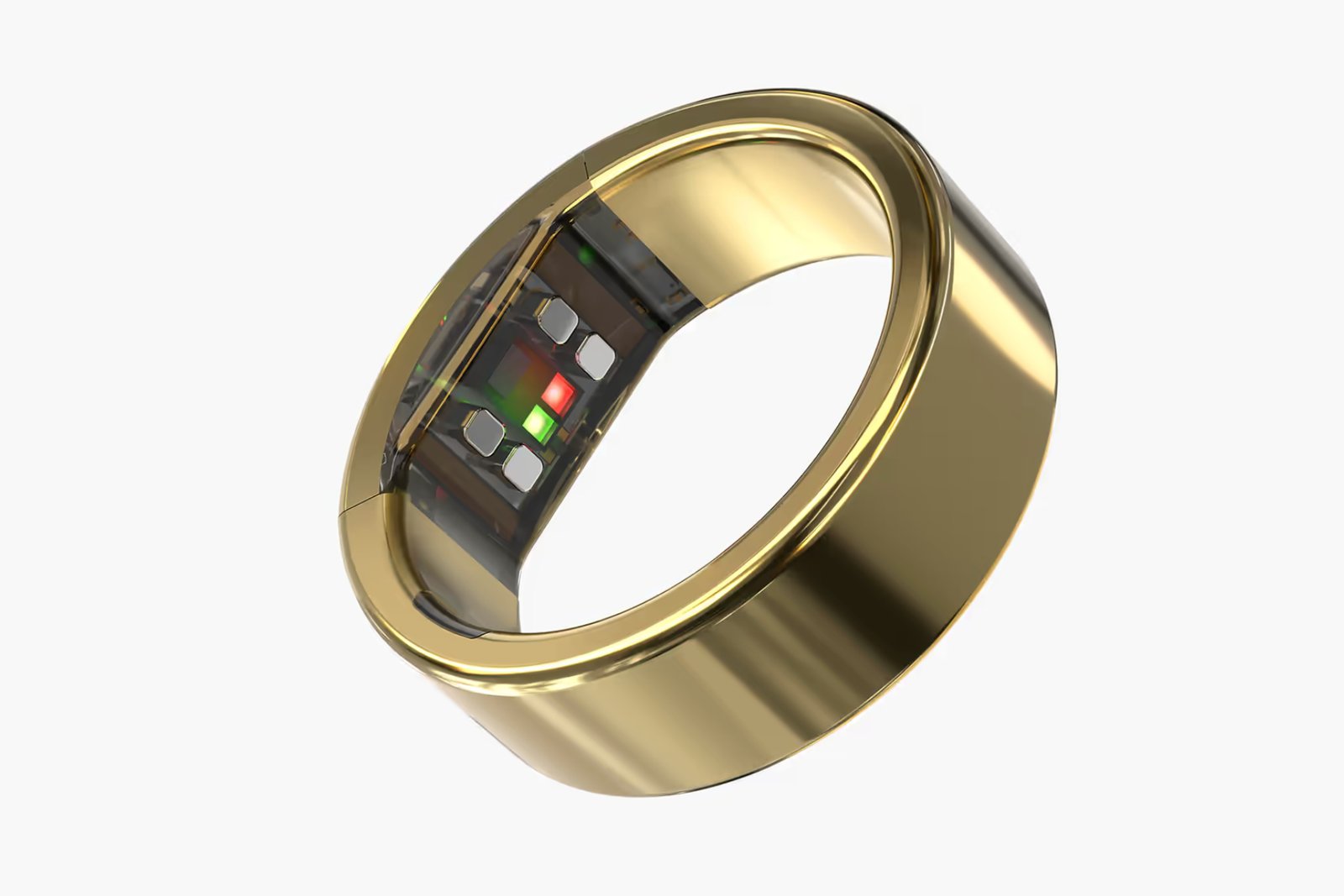
Ultrahuman is betting on the Ring Pro’s redesigned unibody metal structure to secure its position. The company claims this hardware overhaul not only addresses the patent disputes but also delivers tangible performance upgrades, including longer battery life and improved on-device processing.
Preorders for the device are now open in the U.S., with shipping scheduled for May 15. The device carries a $399 price tag, though early adopters can secure it for $349. Despite the CBP clearance, Oura remains vigilant. In a statement, the company emphasized that the CBP decision is limited in scope and does not resolve broader patent disputes, signaling that further legal challenges or appeals may follow.
Global Rivalry: India as the New Frontier
The competitive landscape is shifting beyond the U.S. as Oura officially entered India—Ultrahuman’s home turf—with the launch of its Ring 4. While the Indian smart ring market saw a 30.6% decline in shipments in 2025, Ultrahuman maintains a leading 30.4% share.
Looking ahead, Ultrahuman is not limiting its future to rings. CEO Mohit Kumar confirmed the company is currently developing a new wearable device focused on tracking different biomarkers, signaling a push to diversify its product portfolio beyond current metrics like heart rate, sleep stages, and skin temperature.