
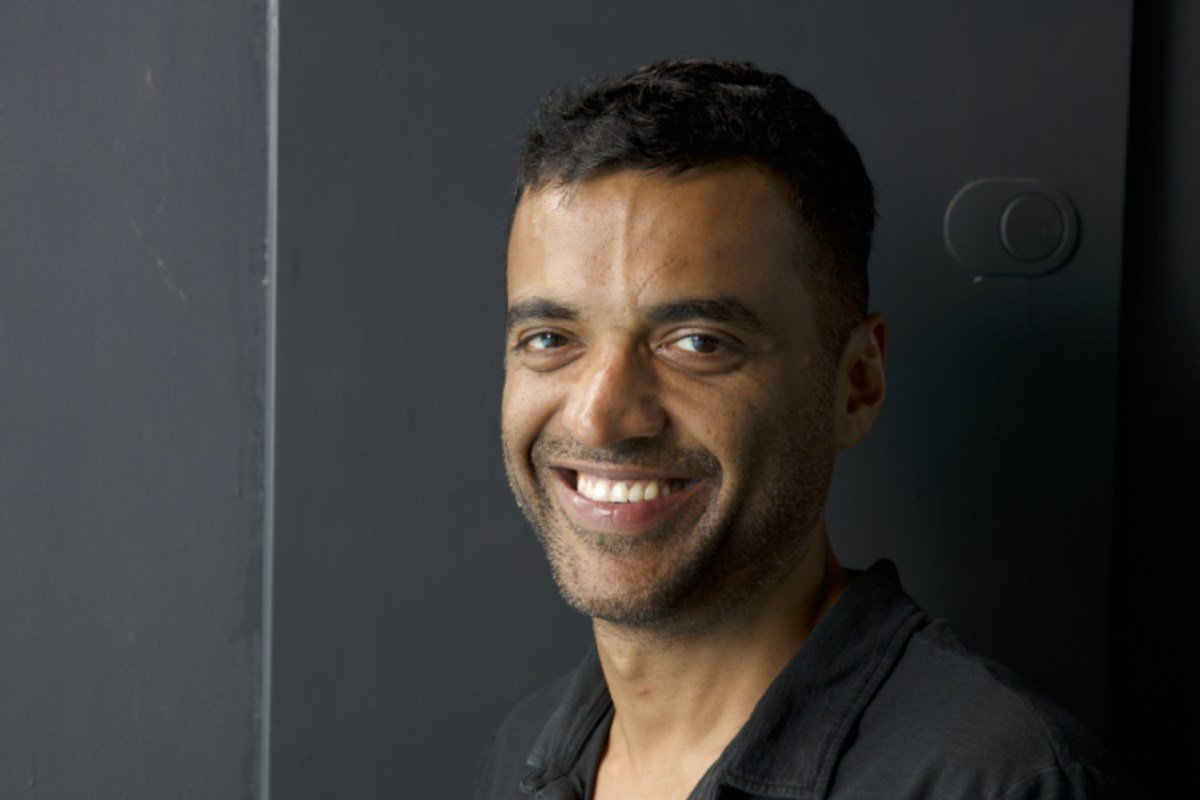
Deepinder Goyal, co-founder and CEO of the food delivery giant Zomato and its parent company, Eternal, has announced his departure from the CEO role. He is handing over the reins to Albinder Dhindsa, the current head of the company’s high-growth quick-commerce division, Blinkit.
A Strategic Shift in Leadership
The leadership transition, announced this Wednesday, marks a significant pivot for the organization. Goyal will remain with Eternal as vice chairman, shifting his primary focus toward “higher-risk exploration and experimentation.” He noted that these ventures are often difficult to pursue within the rigid constraints of a publicly traded entity.
“This is a change in title, not in commitment toward outcomes,” Goyal stated in a letter to shareholders. “Eternal remains my life’s work.”
From FoodieBay to Quick-Commerce Titan
Goyal’s journey began in 2008 when he and Pankaj Chaddah launched FoodieBay, a restaurant discovery platform, while working at Bain & Company. The business was rebranded as Zomato in 2010. Following Chaddah’s departure in 2018, the company aggressively expanded, acquiring Uber Eats’ India operations in 2020 and the quick-commerce platform Blinkit (formerly Grofers) for $568 million in 2022.
Financial Momentum and Blinkit’s Rise
The transition arrives as Eternal reports robust financial health. In its third-quarter results, the company posted a 73% increase in profit, reaching ₹1.02 billion (approximately $11.13 million). Adjusted revenue surged 190% year-over-year to ₹166.92 billion ($1.8 billion).
Blinkit stands as the primary engine of this growth, with its net order value soaring 121% to ₹133 billion ($1.45 billion) in the last quarter. This shift indicates that quick commerce is rapidly becoming the core of Eternal’s business model, eclipsing the company’s traditional food delivery operations.
Goyal’s Future Ventures and Industry Challenges
Beyond his role at Eternal, Goyal has been actively involved in several experimental projects. These include a longevity-focused initiative named “Continue Research,” a brain-health wearable project dubbed “Temple,” and his role as a co-founder of the aviation startup LAT Aerospace.
While the company celebrates its growth, the quick-commerce sector in India faces intense scrutiny. The Indian labor ministry has recently pressured platforms to abandon aggressive “10-minute delivery” marketing campaigns, demanding better working conditions and safety measures for the massive gig-worker force driving the industry.