
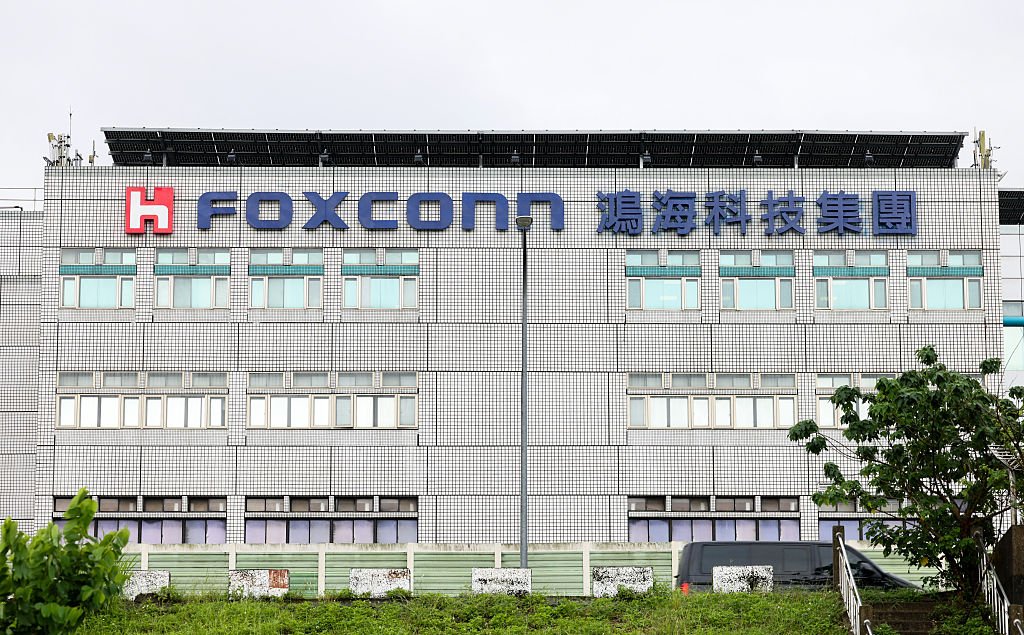
Foxconn, Apple’s primary manufacturing partner, has ordered over 300 Chinese employees to exit its Indian iPhone production facilities, according to a report by Bloomberg. This sudden withdrawal marks a significant shift in the company’s workforce strategy, leaving only Taiwanese support personnel stationed at the sites.
Geopolitical Pressure Behind the Withdrawal
The precise motivation for the recall remains unconfirmed. However, industry analysts suggest the decision aligns with increasing pressure from Chinese officials, who are actively seeking to limit the export of technical expertise and manufacturing resources to India. By restricting the flow of human capital, Beijing aims to maintain its dominance in the global electronics supply chain.
Impact on Apple’s Diversification Strategy
This development creates a notable bottleneck for Apple’s ongoing efforts to decentralize its hardware production. The tech giant has been aggressively scaling operations in India to mitigate risks associated with its heavy reliance on Chinese manufacturing, including trade tensions and U.S. tariffs.
Apple CEO Tim Cook has previously emphasized that increasing imports from India is a strategic necessity to navigate geopolitical uncertainties. Despite this, the sudden departure of a core segment of the workforce threatens to disrupt the momentum of Apple’s “China Plus One” manufacturing strategy.
The Future of Indian Manufacturing
Despite the current labor setback, Foxconn’s commitment to the region persists. In May, the company secured approval from the Indian government to construct a $435 million semiconductor plant. This investment underscores that, while the transition of assembly operations faces friction, the long-term roadmap for India as a critical manufacturing hub remains intact.