
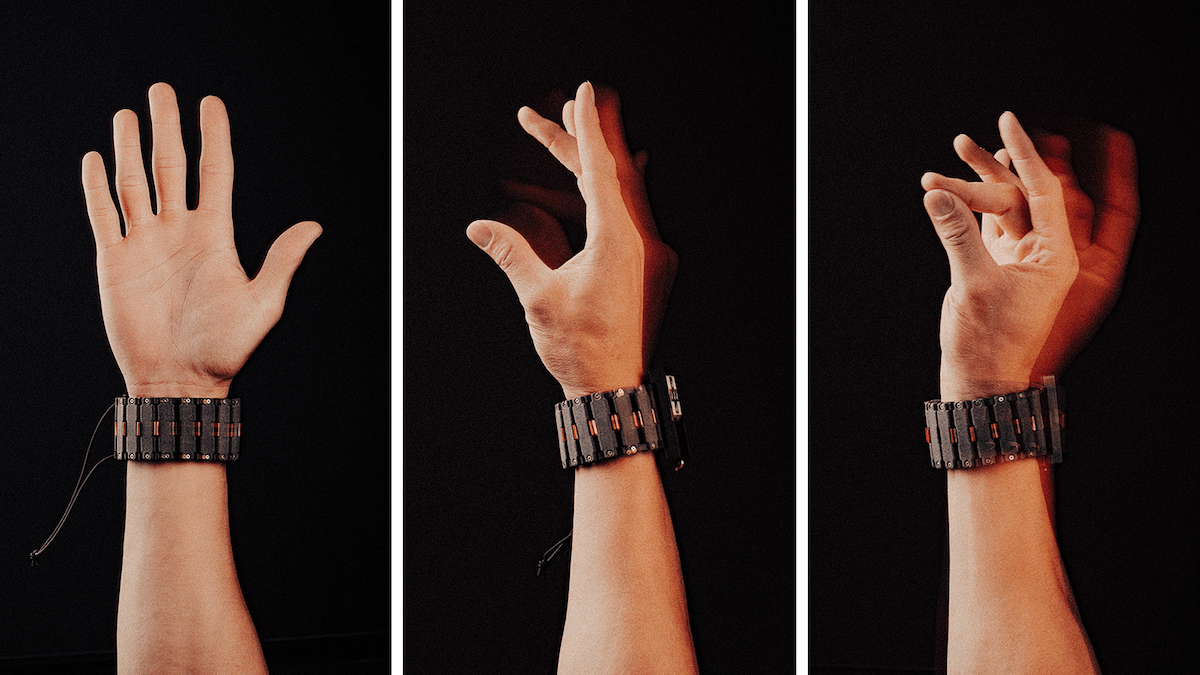
Researchers at Meta are developing a revolutionary wearable wristband capable of controlling computers through subtle hand gestures. This technology allows users to navigate cursors, launch applications, and even compose messages by “writing” in the air, transforming intuitive physical movements into digital commands.
Decoding Muscle Signals with sEMG
Detailed in a recent study published in the journal Nature, the device utilizes surface electromyography (sEMG). This technique captures electrical signals generated by muscle activity to interpret user intent. Remarkably, the wristband is sensitive enough to detect these signals before the user even completes a physical movement, allowing for near-instantaneous interaction.
Empowering Users with Motor Disabilities
The primary objective of this project is to provide a non-invasive interface for individuals facing motor impairments. Meta is currently collaborating with Carnegie Mellon University to conduct clinical trials with patients suffering from spinal cord injuries.
Douglas Weber, a professor of Mechanical Engineering and Neuroscience, highlights that even in cases of complete hand paralysis, residual muscle activity often remains. The wristband successfully interprets these subtle signals, granting users digital autonomy without requiring traditional manual dexterity.
A Non-Invasive Alternative to Neural Implants
Meta’s approach offers a distinct advantage over more invasive technologies like Neuralink, which requires surgical brain implants. While other non-invasive methods, such as EEG-based headsets, exist, they are often hindered by weak signal quality.
By leveraging sEMG, Meta’s wristband operates at a significantly higher frequency than EEG alternatives. This allows for superior precision and immediate, everyday usability without the risks or recovery time associated with surgical interventions.