

Spotify is rolling out a significant update that grants all users the ability to disable video content within its application. This move, officially announced this Thursday, allows listeners to shift from a video-heavy experience to an audio-first interface across all devices, including mobile, desktop, web, and TV.
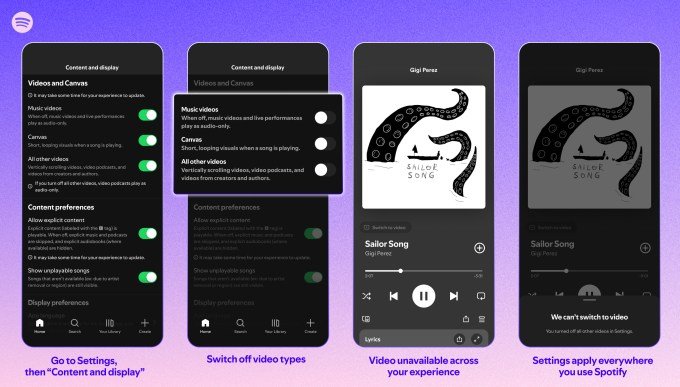
New Global Controls for All Users
The update extends video management capabilities far beyond the previous limitations. Previously, these controls were restricted to managed accounts for users under 13. According to internal data, 60% of those younger accounts had video features disabled by parents or guardians, signaling a clear demand for more streamlined, audio-focused listening.
Now, this functionality is available to everyone. Family Plan managers can toggle video content for any member of their plan, and individual users—across Premium, Basic, Student, and free tiers—can manage their own display preferences directly.
How to Disable Spotify Videos
To customize your experience and eliminate looping “Canvas” visuals or full-screen music and podcast videos, navigate to the app’s Settings menu and select Content and display. Once your preferences are configured, the changes will sync automatically across all platforms where you use your account.
It is important to note that this update does not remove all video elements entirely. Users will still encounter video advertisements, as well as specific video formats integrated into certain audio ads.
A Strategic Shift for Spotify
This pivot comes after years of heavy investment in video, starting with the 2018 launch of Canvas, the 2020 introduction of video podcasts, and the 2024 rollout of music videos designed to challenge YouTube’s market dominance.
By providing these controls, Spotify is addressing two distinct audiences: power users who prefer a minimalist, audio-centric app, and a growing base of critics and regulators concerned about the impact of persistent video content on younger demographics. As the company stated in its latest blog post, the goal is to ensure that “control changes everything,” allowing users to reclaim their time and focus on the audio content they value most.
The global rollout of these settings is expected to be completed for all users by the end of this month.