
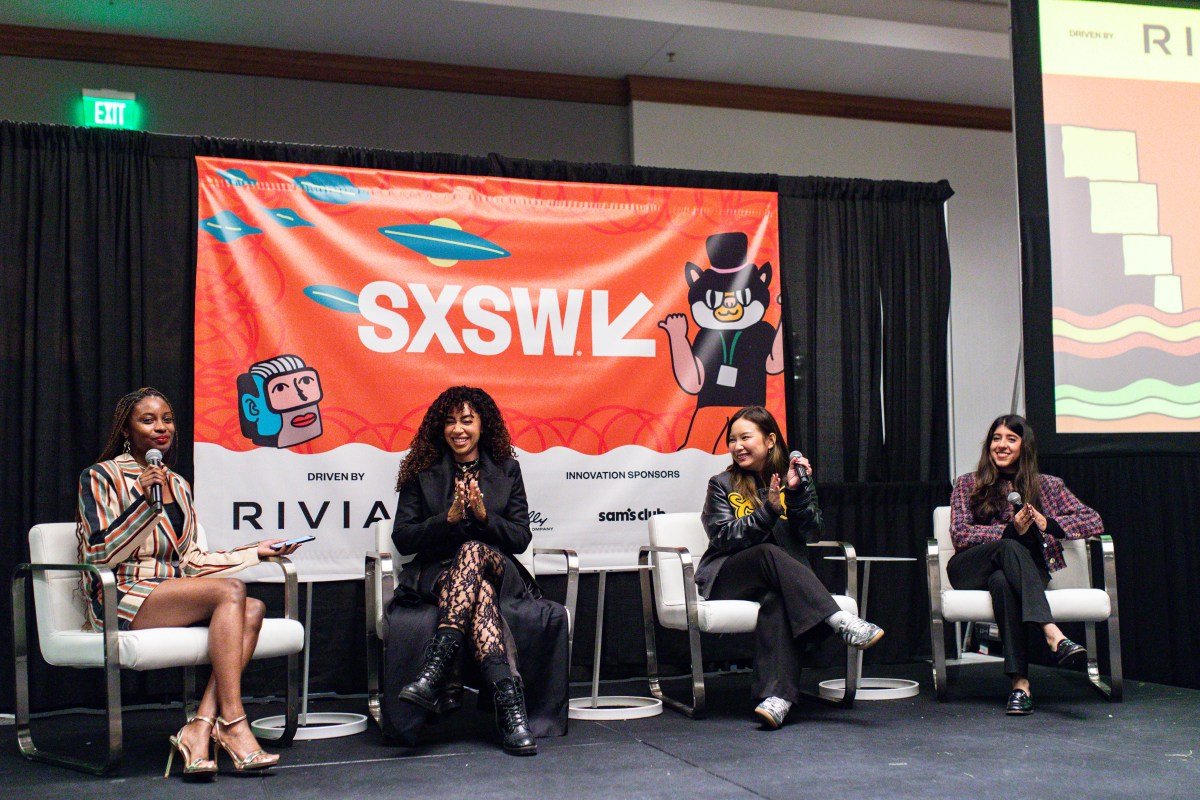
SXSW returned to Austin this March, marking its 40th anniversary with a strategic reinvention that blends high-level networking with its signature cultural flair. Despite a shorter schedule and a decentralized venue footprint, the festival remains a critical hub for tech founders and venture capitalists, proving that its relevance persists even as the event structure shifts.
A Strategic Shift in Festival Operations
The 2026 edition of SXSW faced significant logistical changes, most notably the demolition of the Austin Convention Center. This forced a decentralized format, scattering panels and events across downtown venues. While some attendees noted this made the conference feel less cohesive, organizers argue it fostered a more authentic connection with the city.
Greg Rosenbaum, SVP of programming, highlighted the introduction of “Clubhouses”—dedicated spaces for networking and recharging that drew 5,000 daily visitors. These hubs were central to the festival’s attempt to streamline the attendee experience amidst a transition period following pandemic-era downsizing and new ownership.
The “Unconference” Effect: Networking Over Keynotes
For many founders, the true value of SXSW has migrated away from main-stage panels and toward intimate side events. Ashley Tyrner-Dolce, an investor and founder, emphasized that the most meaningful connections occurred at gatherings like the INC Founder House party. “It’s less about the main stage and more about who you’re sitting across from,” she noted.
This sentiment was echoed by James Norman of Black Ops VC, who described the current SXSW as an “unconference.” For those without a rigid schedule, the flexibility to move between dinners, screenings, and private meetups proved more productive than traditional programming.
Navigating the New Badging and Reservation System
SXSW implemented a new, more rigid access system this year, eliminating secondary badge access and mandating a reservation system for popular events. While intended to manage crowds, the change drew mixed reviews:
- Premium Access: The shift toward a $2,000 all-in-one platinum badge aimed to simplify entry but resulted in some events reaching capacity almost instantly.
- Strategic Preparation: Founders like Jonathan Sperber noted that success at the festival now requires rigorous pre-planning. “The value depends on how well you prepare,” Sperber said, emphasizing the need for pre-scheduled meetings with key stakeholders.
The High Cost of Visibility
While the festival remains a magnet for ambition, long-time attendee and fintech founder Rodney Williams observed a shift in the landscape. He argues that SXSW has evolved from a scrappy discovery zone into a high-competition environment dominated by experiential marketing.
“Companies with massive marketing budgets are usually the only ones participating or throwing pricey events,” Williams explained. “Standing out now requires a significant marketing investment, which changes the dynamic for emerging startups compared to previous years.”
Is SXSW Still Worth the Investment?
Despite reports of a quieter presence from big tech giants and fewer grand spectacles compared to past years, the festival’s pull remains undeniable. With an expected attendance of 300,000, SXSW continues to attract a diverse cross-section of industries.
First-time attendee Simon Davis praised the event for its unique energy, noting that the blend of live music and tech creates a collaborative atmosphere rarely found in Silicon Valley-centric events. Whether one views it as a media conference with a tech angle or a networking powerhouse, SXSW 2026 solidified its position as a vital, if changing, fixture on the global innovation calendar.