

YouTube officially announced on Tuesday the expansion of its sophisticated “likeness detection” technology, now empowering members of the entertainment industry to combat AI-generated deepfakes. This strategic rollout provides talent agencies, management firms, and individual celebrities with automated tools to safeguard their digital identities against unauthorized simulations.
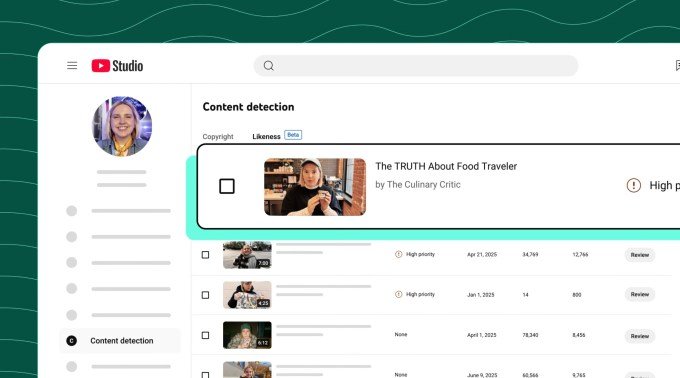
How the Likeness Detection System Operates
Functioning similarly to the platform’s established Content ID system, this tool monitors uploads for visual matches of an enrolled participant’s face. While Content ID focuses on copyright-protected media, this new feature specifically targets simulated identities, addressing the growing prevalence of deepfakes in deceptive scam advertisements.
Notably, entertainers are not required to maintain an active YouTube channel to utilize this protection. Once a match is detected, the affected party maintains control over the outcome, with the ability to:
- Request video removal due to privacy policy violations.
- Submit a formal copyright removal request.
- Opt to take no action.
YouTube emphasizes that enforcement is not absolute; content falling under parody or satire remains protected under current platform guidelines.
Industry Adoption and Future Roadmap
The expansion follows a successful pilot program launched last year, which initially served a limited group of creators before extending to politicians, journalists, and government officials earlier this spring. Major industry players, including CAA, UTA, WME, and Untitled Management, have collaborated with YouTube to refine the tool’s effectiveness.
Looking ahead, the company plans to integrate audio detection capabilities to address unauthorized voice cloning. While YouTube has not disclosed specific figures regarding the volume of removals, officials noted in March that the current number of takedowns remains relatively small.
Advocating for Federal Regulation
Beyond internal technical measures, YouTube is actively lobbying for legal frameworks to combat AI abuse. The company has formally supported the NO FAKES Act in Washington, D.C. This proposed legislation seeks to establish federal regulations governing the unauthorized creation of an individual’s voice and visual likeness via artificial intelligence.
For further details on the platform’s commitment to these safeguards, view the official announcement.